
Introduction to AI Chatbots
Updated focus: Chatbots are a website feature, not a strategy. They work best on sites with clear services and CTAs. If the underlying pages are weak, fix design first (website upgrades, forms), then add automation.
AI chatbots are becoming essential tools for small businesses aiming to enhance their online presence. These digital assistants interact with customers through text or speech, mimicking human conversation. By leveraging artificial intelligence, chatbots provide quick answers, assist with customer service, and help with sales inquiries, all while operating around the clock.
Implementing an AI chatbot on your website can be transformative. It offers a cost-effective way to improve customer engagement without needing additional staff. As technology advances, chatbots are becoming more sophisticated, using deep learning and natural language processing to better understand and respond to user queries.
Several popular AI chatbot platforms are available today, each offering unique features. For instance, OpenAI's ChatGPT is known for generating human-like text responses. Similarly, Anthropic's Claude and Google's Gemini offer advanced conversational capabilities tailored to different business needs.
Adopting an AI chatbot can also improve your website's SEO. By providing immediate responses to frequently asked questions, chatbots can help reduce bounce rates and increase the time users spend on your site, positively impacting your search engine ranking.
Choosing the right chatbot platform that aligns with your business goals and budget is crucial. Some platforms offer free basic plans, while others require a subscription for advanced features. Evaluating these options ensures you get the most value from your investment.
As AI technology evolves, the potential for chatbots on small business websites will grow. They offer a scalable solution that adapts to changing business needs, providing a seamless experience for both you and your customers. For more on effectively marketing your small business online, check out our marketing guide.
Benefits of AI Chatbots for Small Businesses

AI chatbots are essential for small businesses looking to enhance their online presence and improve customer interactions. Here are some key benefits:
Cost-effectiveness
AI chatbots can significantly reduce operational costs. Unlike hiring additional customer service staff, chatbots require a one-time investment with minimal ongoing expenses. They handle multiple inquiries simultaneously, ensuring efficiency without increasing payroll expenses. For businesses on tight budgets, this is transformative. According to Forbes, chatbots can save businesses up to 30% in operational costs.
24/7 Customer Support
AI chatbots provide round-the-clock customer support. Unlike human agents, chatbots assist customers at any time, ensuring inquiries are addressed promptly, even outside office hours. This leads to higher customer satisfaction and loyalty, allowing small businesses to compete with larger companies offering 24/7 support.
Lead Generation
AI chatbots play a crucial role in lead generation. By engaging with website visitors, chatbots collect valuable information like contact details and customer needs. This data tailors marketing efforts and nurtures leads through the sales funnel. Chatbots qualify leads by asking targeted questions, ensuring sales teams focus on high-potential prospects. According to Business News Daily, businesses using chatbots for lead generation see improved conversion rates.
In summary, AI chatbots offer small businesses a cost-effective way to improve customer service, provide 24/7 support, and enhance lead generation efforts. As technology evolves, chatbots' role in business operations will grow, making them valuable assets for companies looking to stay competitive in the digital age.
Key Features to Look for in Chatbots
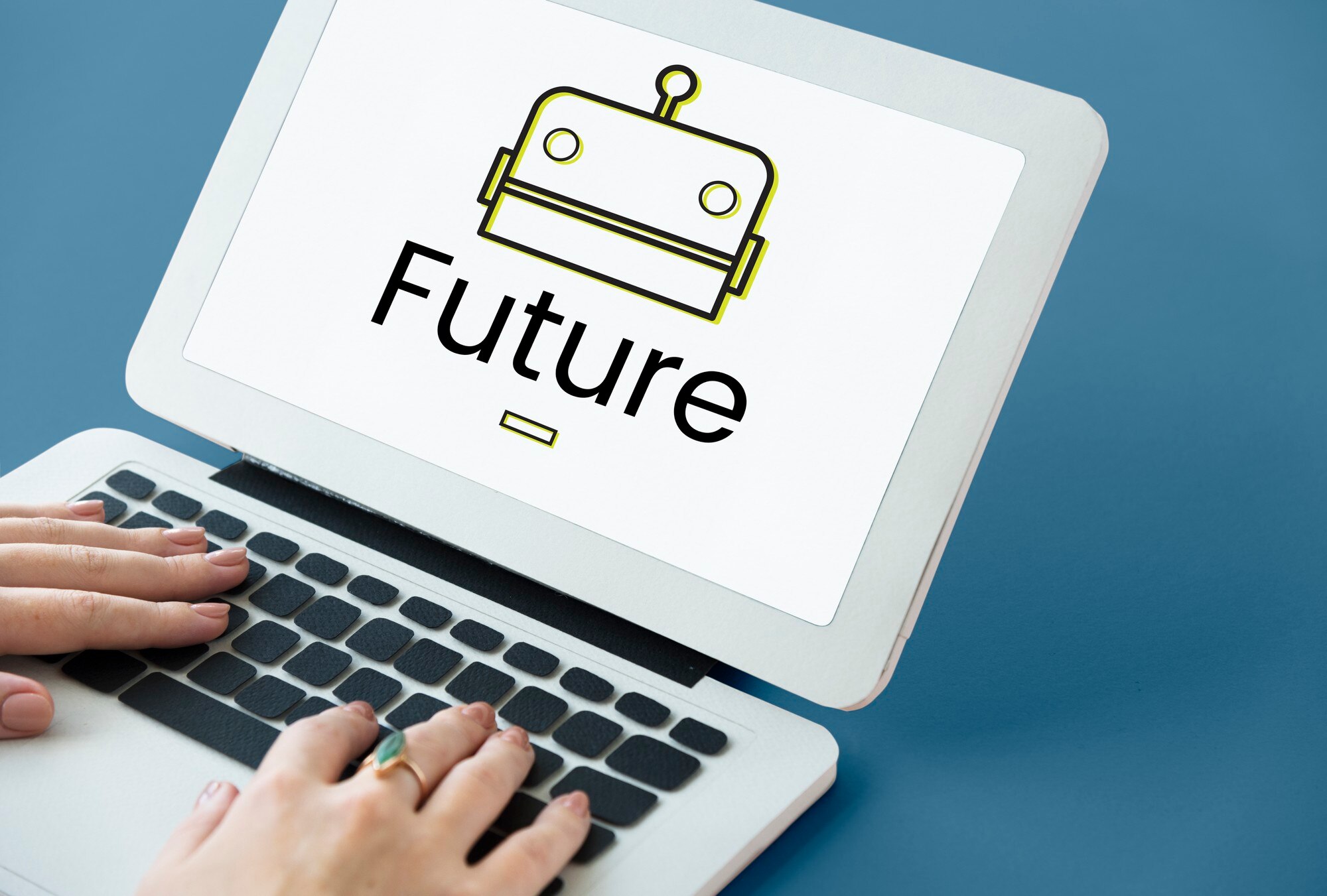
As small businesses consider adding chatbots to their websites, understanding key features is crucial. A well-chosen chatbot enhances customer service and streamlines operations. Here are important features to consider:
Natural Language Processing
Natural language processing (NLP) allows a chatbot to understand and respond to human language naturally. This technology enables chatbots to comprehend user queries and provide relevant responses, making interactions smoother. Popular AI models like ChatGPT use advanced NLP to handle complex conversations, providing an almost human-like experience. Investing in chatbots with strong NLP capabilities ensures better customer interactions.
Integration Capabilities
Integration capabilities determine how well a chatbot connects with other systems and tools your business uses. Whether linking with CRM software or syncing with e-commerce platforms, seamless integration enhances functionality. This feature allows for automated data entry, personalized interactions, and efficient problem-solving. Check if the chatbot integrates easily with popular platforms you use, such as payment gateways or inventory management systems.
User-Friendly Interface
A user-friendly interface is essential for customers and team members managing the chatbot. The interface should be intuitive, making it easy for customers to navigate and get help quickly. For your team, a simple dashboard helps monitor interactions and update responses as needed. This feature ensures the chatbot is effective and easy to manage and update, reducing the learning curve and improving efficiency.
By focusing on these key features, small businesses can select a chatbot that meets their needs and enhances customer satisfaction and operational efficiency. For further insights, explore resources on natural language processing.
Major AI Chatbots and Assistants in 2025-2026

As technology advances, AI chatbots are becoming essential tools for small businesses. By 2025-2026, several major AI chatbots and virtual assistants will dominate the market, offering features to streamline business operations. Here, we'll explore some leading AI chatbots and their potential impact on small businesses.
ChatGPT by OpenAI
ChatGPT, developed by OpenAI, is a powerful AI chatbot using generative pre-trained transformers (GPTs) to create human-like conversations. It handles text, audio, and image prompts, making it versatile for different business needs. OpenAI offers ChatGPT on a freemium model, allowing small businesses to access basic features at no cost, with premium options available for advanced functionalities. Learn more on the OpenAI ChatGPT official page.
Claude by Anthropic
Claude, created by Anthropic, is another significant player in the AI chatbot space. It focuses on ethical AI development, ensuring safe and reliable interactions. Claude assists small businesses by providing customer support and managing inquiries. For further details, visit the Anthropic Claude page.
Google Gemini
Google Gemini is part of Google's suite of AI tools designed to enhance productivity and communication. It integrates seamlessly with other Google products, making it a convenient choice for businesses using Google's ecosystem. Gemini automates tasks and provides insights, helping businesses make informed decisions. Visit the Google Gemini website for more information.
Microsoft Copilot
Microsoft Copilot is designed to work alongside Microsoft's suite of office applications. It leverages AI to assist with tasks like document creation, data analysis, and project management. For small businesses using Microsoft products, Copilot enhances efficiency and reduces workload. Learn more on Microsoft's official Copilot product page (and the consumer experience at copilot.microsoft.com).
These AI chatbots and assistants represent the forefront of innovation for small businesses. By leveraging these tools, businesses can improve customer engagement, automate routine tasks, and make data-driven decisions, positioning themselves for success in the digital age.
Understanding Accuracy Limits of AI Chatbots
AI chatbots are increasingly popular on small business websites, but it's important to understand their accuracy limits. These chatbots use artificial intelligence to simulate human conversation, and while impressive, they are not perfect. Knowing their limitations helps set realistic expectations and make informed decisions for your business.
How AI Chatbots Work
AI chatbots like ChatGPT and Claude use complex algorithms to process language and generate responses. They rely on large datasets to understand and predict human language patterns. Despite this, they can make mistakes, especially with ambiguous or complex questions.
Potential Errors and Misunderstandings
- Contextual Errors: Chatbots may misunderstand the context of a conversation, leading to irrelevant or incorrect responses.
- Lack of Nuance: Subtlety and tone can be challenging for chatbots to grasp, which might result in robotic or inappropriate replies.
- Data Limitations: AI models are trained on existing data, which means they might not have up-to-date information or understand new trends.
Practical Tips for Small Businesses
To make the most of AI chatbots, small businesses should consider a few practical tips:
- Define Specific Tasks: Use chatbots for specific, well-defined tasks like answering FAQs or setting appointments. This reduces the chances of errors.
- Regular Updates: Ensure your chatbot is regularly updated to reflect new information and trends in your industry.
- Human Oversight: Combine chatbot use with human oversight. Have staff available to handle complex queries that the chatbot cannot resolve.
Understanding the limitations of AI chatbots can help small businesses use them effectively. For more detailed insights on AI in business, explore resources from the Federal Trade Commission.
Customer Privacy Considerations
As small businesses integrate AI chatbots into their websites, customer privacy becomes crucial. Ensuring that customer data is protected and used responsibly is not just a legal obligation but also a trust-building measure. With comprehensive data protection laws like the General Data Protection Regulation (GDPR) in Europe and the California Consumer Privacy Act (CCPA) in the United States, businesses need to be proactive about privacy.
Data Collection and Storage
AI chatbots often collect user data to provide personalized services. It's essential for small businesses to understand what data is collected and how it is stored. Only necessary information should be collected, and it should be kept secure. Businesses should consider using encryption to protect data from unauthorized access. For more guidance on data protection practices, the Federal Trade Commission (FTC) provides valuable resources.
Privacy Policies and User Consent
Having a clear and accessible privacy policy is vital. Customers should be informed about what data is being collected, how it will be used, and who it will be shared with. It's also important to obtain explicit consent from users before collecting their data. This can be done through opt-in forms or checkboxes when users first interact with the chatbot.
Choosing the Right AI Chatbot Provider
When selecting a chatbot provider, small businesses should evaluate how each provider handles data security and privacy. For instance, OpenAI's ChatGPT and Anthropic's Claude both have documentation detailing their privacy practices. Reviewing these documents can help businesses make informed decisions. You can view more about their privacy policies on their respective websites: OpenAI ChatGPT and Anthropic Claude.
By prioritizing customer privacy, small businesses can comply with legal requirements and foster trust and loyalty among their customers. Securing data, communicating transparently, and choosing reliable AI partners ensure that integrating chatbots into your business is a positive experience for both you and your customers.
Staff Training for Effective Chatbot Use
Integrating AI chatbots into your small business website can greatly enhance customer interaction, but to maximize their potential, your staff must be well-trained. Understanding chatbot capabilities, creating effective prompts, and monitoring interactions are key components of training.
Understanding Chatbot Capabilities
Before employees can effectively utilize chatbots, they need to understand what these tools can do. Modern chatbots, like OpenAI's ChatGPT or Google's Gemini, can engage in natural language conversations, answer questions, and provide personalized recommendations.
- Natural Conversations: Chatbots simulate human-like dialogues, making them useful for customer service tasks.
- Task Automation: They handle repetitive inquiries, freeing up staff for more complex issues.
- Data Collection: Chatbots gather customer information to help personalize future interactions.
Training sessions should include demonstrations of these capabilities, allowing staff to see firsthand how chatbots can enhance their workflow.
Creating Effective Prompts
To get the most out of chatbots, employees need to learn how to craft effective prompts. A well-written prompt can guide the chatbot to provide accurate and helpful responses. Here are some tips:
- Be Specific: Encourage staff to use clear and concise language to avoid misunderstandings.
- Use Keywords: Incorporate relevant keywords that the chatbot can easily recognize and act upon.
- Test and Refine: Regularly test prompts and refine them based on chatbot responses and customer feedback.
Workshops or training modules focusing on prompt creation can help staff become more comfortable and skilled in this area.
Monitoring Interactions
Monitoring chatbot interactions is crucial to ensure they function correctly and meet customer needs. Staff should be trained to review chatbot logs and analyze performance. This includes:
- Identifying Common Issues: Look for patterns in customer queries that the chatbot struggles to address.
- Ensuring Quality Responses: Make sure the chatbot provides accurate and helpful information consistently.
- Feedback Loops: Implement a system for collecting customer feedback on chatbot interactions to drive improvements.
By regularly monitoring and adjusting chatbot interactions, businesses can ensure their AI tools remain effective and aligned with customer expectations.
Training staff to effectively use chatbots is an ongoing process, but with the right approach, your team can harness these tools to improve customer satisfaction and streamline operations.
Sensible Rollout Steps for Small Businesses
Assessing Business Needs
Before integrating an AI chatbot into your small business website, assess your business needs. Consider what you hope to achieve with a chatbot. Do you want to improve customer service, increase sales, or provide 24/7 support? Understanding your goals helps you choose the right features and capabilities for your chatbot. For example, if your focus is customer service, look for chatbots that handle frequently asked questions and provide instant responses.
Choosing the Right Platform
Once you've identified your needs, select the right platform. There are various chatbot platforms available, each with different features and pricing models. When choosing a platform, consider factors like ease of use, scalability, and integration with existing systems. Some popular chatbot platforms include OpenAI's ChatGPT and Google Gemini. Ensure the platform you select aligns with your business objectives and budget.
Testing and Feedback
Testing is a critical phase in the rollout of a chatbot. Begin by deploying the chatbot on a small scale to monitor its performance and gather user feedback. Encourage both employees and customers to interact with the chatbot and report any issues or suggestions for improvement. This feedback is invaluable in refining the chatbot's functionality and ensuring it meets user expectations. Regular testing and updates will help maintain the chatbot's effectiveness and relevance.
In summary, rolling out an AI chatbot for your small business involves careful planning and execution. By assessing your business needs, choosing the right platform, and continuously testing and gathering feedback, you can successfully integrate a chatbot that enhances your business operations and customer experience.
Conclusion: Embracing the Future of AI Chatbots
AI chatbots have become essential tools for small businesses aiming to enhance customer engagement and streamline operations. As these technologies evolve, they offer more opportunities for businesses to improve customer service and boost efficiency. By integrating AI chatbots into your website, you can provide instant support and personalized experiences that keep customers coming back.
One key benefit of AI chatbots is their ability to operate 24/7, ensuring customers receive assistance whenever needed. This can lead to increased customer satisfaction and loyalty. Moreover, chatbots handle multiple inquiries at once, allowing human staff to focus on more complex tasks.
When selecting an AI chatbot for your business, consider factors such as ease of integration, cost, and the specific needs of your customers. Some popular options include OpenAI's ChatGPT and Anthropic's Claude. These platforms offer different features and capabilities, so it's important to choose one that aligns with your business goals.
It's also crucial to stay informed about the latest developments in AI technology. As AI chatbots become more sophisticated, they will likely offer even more advanced functionalities, such as improved natural language processing and enhanced personalization. Keeping up with these advancements can help you maintain a competitive edge in the marketplace.
Small businesses should also be mindful of data privacy and compliance with regulations. Ensuring that your chatbot solution adheres to privacy standards will protect your business and build trust with your customers. For guidance on privacy and compliance, refer to resources from the Federal Trade Commission.
In conclusion, embracing AI chatbots can significantly benefit your small business by improving customer interactions and operational efficiency. As you explore different chatbot options, focus on solutions that best fit your business needs and budget. With the right approach, AI chatbots can help your business thrive in the digital age.
For more insights on enhancing your business's digital presence, feel free to contact us.
Building smarter small-business websites with K-Wired
K-Wired.com is stepping into the AI era. We are working on new projects and services aimed at helping businesses solve everyday problems with practical AI, without needless complexity. Whether you need a clearer website, better lead capture, or guidance on where automation fits, we would like to help. Visit k-wired.com for an overview of our work, or reach out on our contact page to start a conversation.
Related reading from K-Wired
Sources and further reading
- https://openai.com/chatgpt
- https://www.anthropic.com/claude
- https://gemini.google.com/
- https://k-wired.com/marketing.html
- https://www.ibm.com/cloud/learn/natural-language-processing
- https://www.microsoft.com/en-us/microsoft-copilot
- https://copilot.microsoft.com/
- https://www.ftc.gov
- https://www.ftc.gov/
- https://k-wired.com/contact.html
- https://k-wired.com/