Understanding Schema Markup
Definition of Schema Markup
Schema markup is a type of code you can add to your website to help search engines better understand your content. Also known as structured data, schema markup allows you to provide detailed information about your business directly to search engines, enhancing how your website appears in search results. For instance, if you own a local bakery, schema can display your business hours, location, and customer reviews right in the search results.
Importance for Small Businesses
For small businesses, schema markup can be transformative. It helps your site stand out in search engine results pages (SERPs) by providing additional information that captures potential customers' attention. This is especially crucial in competitive markets where every advantage counts. By using schema markup, small businesses can potentially increase their visibility and improve click-through rates without significant advertising costs.
Schema markup can also help your business appear in rich snippets, which are enhanced descriptions that show up in search results. These snippets might include star ratings, images, or event details. For example, a small restaurant could use schema markup to display its menu or upcoming events directly in search results, making it easier for customers to find what they need.
While implementing schema markup might seem complex, tools are available to simplify the process. Google's Structured Data Markup Helper is a great resource for beginners, guiding you step-by-step on how to add structured data to your site.
Consider looking at a local business website that effectively uses schema markup to enhance its online presence. For example, a local bookstore might use schema to show author events or special promotions right in the search results.
For more insights on boosting your website's search performance, check out our guide on K-Wired.
Types of Schema Markup for Small Businesses

Schema markup is a powerful tool to help your small business website stand out in search results. By providing more detailed information about your business, products, and services, you can enhance your online visibility. Let's explore the different types of schema markup that are particularly beneficial for small businesses.
Local Business Schema
Local Business Schema is essential for businesses with a physical presence. It helps search engines understand your location and business hours, making it easier for local customers to find you. This type of schema includes details like your address, phone number, and business type. For more information on implementing Local Business Schema, you can visit the schema.org Local Business page.
Product Schema
If you sell products online, Product Schema can showcase your offerings directly in search engine results. This markup allows you to display important product details like price, availability, and reviews. Using Product Schema can help potential customers see exactly what you offer before they even click on your site. For a real-world example of Product Schema in action, check out popular e-commerce sites.
Review Schema
Review Schema adds customer reviews to your search results, enhancing your credibility and potentially increasing click-through rates. By including star ratings and review counts, you can give searchers a quick overview of customer satisfaction. For more insights on how to use Review Schema effectively, consider reading guides from reputable SEO blogs.
Event Schema
Event Schema is perfect for businesses that host or participate in events. It allows you to highlight event details like date, location, and ticketing options directly in search results. This makes it easier for users to find and attend your events. To learn more about Event Schema, you might want to explore resources available on sites like Google's developer site.
By using these types of schema markup, you can make your small business website more attractive and informative to both users and search engines. Implementing schema effectively can lead to better visibility and more traffic to your site. For more tips on boosting your online presence, visit our marketing page.
How to Implement Schema Markup

Adding schema markup to your small business website can improve your visibility on search engines. Let's explore two main ways to implement it: using tools and manual coding.
Using Google’s Structured Data Markup Helper
Google’s Structured Data Markup Helper is a user-friendly tool that helps you add schema markup without needing to code. Here’s how you can use it:
- Go to the Structured Data Markup Helper website.
- Select the data type that matches your content, such as Articles, Local Businesses, or Products.
- Paste the URL of the page you want to mark up, or select to use HTML.
- Use the tool to highlight and tag elements on your webpage, like the business name or address.
- Once you’ve tagged all necessary data, click “Create HTML.”
- Download the generated HTML and add it to your website.
This tool simplifies the process and ensures your markup complies with Google’s guidelines.
Manual Coding Basics
If you prefer more control or need custom schema types not covered by tools, manual coding is an option. Here are the basics:
- Identify the schema type you need from Schema.org. This site provides a comprehensive list of all available types.
- Use JSON-LD format, which is recommended by Google. It’s a JavaScript notation that’s easy to read and write.
- Insert the JSON-LD script into the head section of your webpage. Here’s a basic example for a local business:
<script type="application/ld+json">
{
  "@context": "https://schema.org",
  "@type": "LocalBusiness",
  "name": "Your Business Name",
  "address": {
    "@type": "PostalAddress",
    "streetAddress": "123 Main St",
    "addressLocality": "Your City",
    "addressRegion": "Your State",
    "postalCode": "12345"
  }
}
</script>
After adding the markup, use the Rich Results Test tool to ensure everything is working correctly. This will help you verify that search engines can read your schema markup properly.
Implementing schema markup might seem daunting at first, but with the right tools and a bit of practice, it becomes an invaluable part of your SEO strategy. For more insights into optimizing your website, check out our marketing resources.
Tools to Help with Schema Markup
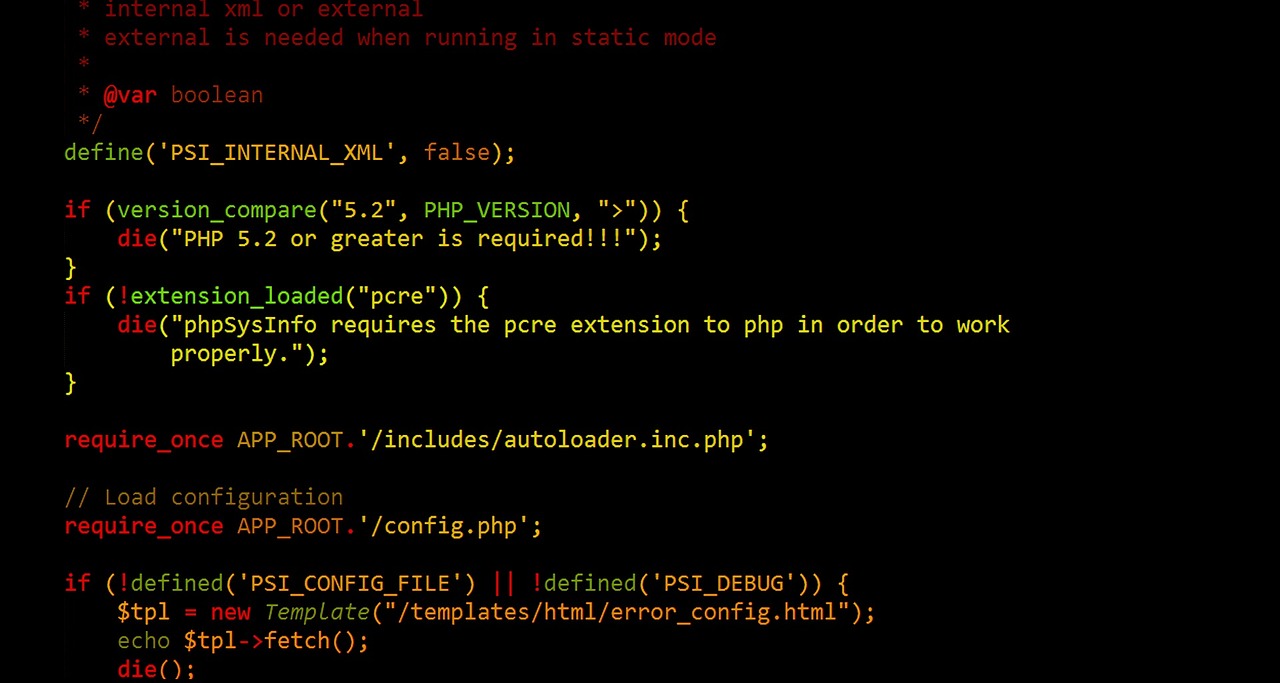
Schema markup might sound complex, but fortunately, there are several tools to help small business owners implement it effectively. These tools simplify the process, making it easier to boost your website's SEO without needing a deep technical background. Let's explore some of these helpful resources.
Schema.org
Schema.org is the go-to resource for understanding and implementing schema markup. It is a collaborative project maintained by major search engines like Google, Bing, and Yahoo. The website offers a comprehensive library of markup types, from product descriptions to event details. By visiting Schema.org, you can explore various examples and find the right markup for your business. This is an excellent starting point for anyone new to schema markup.
Yoast SEO Plugin
If your website is built on WordPress, the Yoast SEO Plugin is a powerful tool that can help with schema markup. This plugin automatically adds structured data to your website, which means you don't have to manually code it yourself. Yoast supports a wide range of schema types and even provides insights on improving your SEO strategy. It's user-friendly, making it a popular choice for small business owners looking to enhance their site's visibility.
Google Search Console
Google Search Console is another essential tool for managing your website's presence in search results. It offers valuable insights into how Google views your site, including any issues with your schema markup. The Search Console can alert you to errors or improvements needed in your structured data, helping ensure that your markup is correctly implemented. By regularly checking your site's status here, you can keep your SEO efforts on track.
- Start by familiarizing yourself with the types of schema available on Schema.org.
- Use the Yoast SEO plugin to automate and simplify adding schema to your WordPress site.
- Monitor your site's structured data through Google Search Console for any issues or improvements.
Implementing schema markup doesn't have to be daunting. With these tools, small business owners can enhance their website's SEO and make their content more discoverable. For more tips on boosting your site's performance, check out our marketing insights.
Benefits of Schema Markup for SEO

Enhanced Visibility in Search Results
Schema markup is a powerful tool that can significantly enhance your visibility in search results. By providing search engines with more detailed information about your website content, schema markup makes it easier for them to understand what your site is about. This can lead to better placement in search results, often in the form of rich snippets. Rich snippets provide additional information directly in the search results, such as reviews, ratings, or event dates, which can make your listing stand out. For small businesses, this increased visibility can be a game-changer, making it easier for potential customers to find you. You can learn more about how schema markup works by visiting the Schema.org page on Wikipedia.
Increased Click-Through Rates
Another significant benefit of using schema markup is its potential to increase click-through rates (CTR). When your website appears with a rich snippet, it often looks more appealing and informative, encouraging users to click on your link over others. This can lead to more traffic and, subsequently, more business. For instance, if you run a local restaurant and your menu or reviews appear directly in search results, users might be more inclined to visit your site or call your business. For a practical example of schema markup in action, check out how popular review sites use it to display business ratings and reviews directly in search results.
Using schema markup is a smart, cost-effective strategy for small business owners looking to improve their online presence. By increasing your visibility and CTR, schema markup helps ensure that your business stands out in the crowded digital marketplace. For more insights into boosting your business's online visibility, explore our detailed guides on K-Wired Marketing.
Real-World Examples of Schema Markup

Understanding how schema markup can benefit your small business website is crucial. Let's dive into some real-world examples to see how different types of businesses have successfully implemented schema markup to improve their search engine visibility.
Case Study: Local Restaurant
A local restaurant decided to enhance its online presence by using Restaurant Schema. By adding this markup, they were able to provide search engines with detailed information about their business, such as menu items, operating hours, and location. This helped them appear in more relevant local searches.
- Menu: The restaurant included their menu items in the schema markup, making it easier for potential customers to find what they offer directly from search results.
- Reviews: By integrating customer reviews into their schema, they were able to showcase their ratings, which built trust with potential diners.
- Events: They also used schema to promote special events, drawing in more local traffic during those times.
This strategic use of schema markup led to higher visibility in local search results, ultimately increasing foot traffic and reservations.
Case Study: E-commerce Store
An e-commerce store selling handmade crafts implemented Product Schema to improve their search engine ranking. This markup allowed them to highlight key product details like price, availability, and customer ratings directly in the search results.
- Product Details: Each product page included detailed schema markup, enabling search engines to display rich snippets that included price and stock information.
- Customer Ratings: By showcasing customer ratings in the search results, the store built credibility and attracted more clicks.
- Offers: They used the Offer schema to highlight discounts and special offers, enticing potential customers to visit their site.
This approach not only improved their search engine rankings but also increased their conversion rates as customers found the information they needed upfront.
These examples illustrate how schema markup can be a powerful tool for small businesses. By providing search engines with structured data, businesses can enhance their visibility and attract more potential customers. For more insights into optimizing your small business's online presence, visit our marketing page.
Common Mistakes to Avoid with Schema Markup

Schema markup can be a powerful tool for improving your small business website's visibility in search engine results. However, it's important to use it wisely to avoid common pitfalls. Here are some mistakes you should avoid when implementing schema markup on your site.
Overusing Schema Markup
One of the most frequent errors is overusing schema markup. It's tempting to add as much markup as possible to cover all bases, but this can backfire. Search engines like Google prefer quality over quantity. Excessive markup can lead to confusion and may even result in penalties. Focus on adding schema to essential elements like reviews, products, and events. Make sure each piece of markup is relevant and accurately represents the content on your page.
For a practical look at how schema markup is applied, check out this guide on how search works from Google. It offers valuable insights into how markup can enhance search results.
Ignoring Mobile Optimization
With the increasing use of mobile devices, ignoring mobile optimization is a critical mistake. Schema markup should be compatible with mobile-friendly designs to ensure that users have a seamless experience. Google uses mobile-first indexing, which means it primarily uses the mobile version of your site for ranking. Therefore, it's crucial to test your schema markup on mobile devices to make sure it displays correctly and enhances the user experience.
For more information on making your site mobile-friendly, you can refer to Google's mobile-friendly guidelines. This resource provides tips on optimizing your site for mobile users, which is essential for maintaining good search engine rankings.
By avoiding these common mistakes, you can make the most of schema markup and help your small business website stand out in search results. For more tips on improving your site's SEO, visit our marketing page.
Next Steps for Your Small Business Website

Review Your Current Schema Implementation
Start by examining the schema markup currently in place on your website. This involves checking if the existing schema accurately reflects your business information and offerings. You can use tools like Google's Rich Results Test to see how search engines interpret your site's markup. Ensure that your schema includes essential details like business name, address, phone number, and any other pertinent information that enhances your visibility in local searches.
Explore Affordable Hosting Options
Choosing the right hosting provider is crucial for your website's performance and budget. Look for hosting services that offer reliable uptime, sufficient bandwidth, and responsive customer support. Consider providers that specialize in small business needs, offering plans that fit your budget while ensuring optimal performance. For example, consider well-known providers that offer affordable and scalable hosting solutions suitable for small businesses.
As you evaluate hosting options, remember that the right choice can positively impact your site's speed and overall user experience, which are important factors for search engine rankings. Be sure to assess what each provider offers in terms of security features, as protecting customer data is a top priority.
Implementing Upgrades and Enhancements
After reviewing your schema and hosting, consider implementing other enhancements that can improve your website's search visibility. This might include adding structured data for products, events, or reviews if applicable to your business. These updates can provide search engines with more detailed information about your offerings, potentially improving how your site appears in search results.
Additionally, keep an eye on updates from search engines and industry experts to stay informed about the latest best practices in SEO. Regularly updating your website with fresh content and schema improvements can help maintain and boost your search rankings over time.
For more tips on improving your website's SEO, check out our marketing resources designed specifically for small business owners.
Sources and further reading

- https://developers.google.com/search/docs/appearance/structured-data/intro-structured-data
- https://k-wired.com/
- https://developers.google.com/search/docs/appearance/structured-data/event
- https://k-wired.com/marketing.html
- https://www.google.com/webmasters/markup-helper/
- https://search.google.com/test/rich-results
- https://yoast.com/wordpress/plugins/seo/
- https://search.google.com/search-console/about
- https://www.google.com/search/howsearchworks/
- https://developers.google.com/search/mobile-sites
Related reading from K-Wired
Continue with AI ranking and search optimization; DIY website SEO guide.