
I would start with how you talk to customers on the phone. That conversation usually contains something valuable: your understanding of what you sell and why someone would need it.
When I write a website, my first goal is to help a visitor understand the business. I explain what it does in the way I understand it. Then I refine selected parts of the copy for sales and search engine optimization, or SEO.
That initial human understanding is the Midas touch of web design. If people understand your website, they have a better idea of what your business does and whether they want to use you.
Before we start polishing sales language, we need something worth saying.
Start With the Explanation You Give a Real Customer
Business owners are often the best people to explain their products, services, and vision. They answer questions, hear concerns, and help customers make decisions regularly.
A good web designer listens for those explanations.
What do you say when someone asks what your service includes? How do you explain why one option suits them better? What do customers misunderstand until you walk them through it?
Those answers give your website useful substance. They help a visitor understand what they would actually be buying.
Your website does need some editing. A phone conversation can wander because the customer is there to ask follow-up questions. On a page, you need to organize that explanation so someone can follow it without your help. Keep your personality and meaning while making the wording easy to read.
Your Homepage Should Introduce Your Business

I can often tell when a website has become too pushy just by the sound of its wording.
Every section seems to say some version of:
- “We’re offering this for a limited time!”
- “Act now before this deal is gone!”
- “We have the best products in town!”
- “Buy our stuff now!”
After a while, I’m still waiting for someone to explain the business.
Consider a local bakery. I would rather see a good photo of the store, get a feel for its style, and understand what it makes before being hit with a limited-time offer.
Show me the bakery. Show me the bread. Give me a reason to imagine walking through the door.
“We have the best bread in town” tells me what you think of your bread. It gives me very little to picture, taste, or plan a visit around.
A business can introduce itself clearly and still make a sale. Giving people enough information to feel interested is part of selling. My article on what makes a homepage hero section actually get people to scroll and read goes deeper on that first-screen balance.
Give Promotions a Specific Place
My preference is to keep promotional sales language in one section of a page. Let the rest of the page explain the business, its services, and what customers can expect.
Sometimes an important offer belongs in the hero section, which is the large introductory section at the top of a page. That can be appropriate. But if I put the offer there, I would avoid repeating it throughout the page or adding competing promotions underneath it.
I find that constant sales pressure makes a page less inviting. Your visitor should be able to learn about the business without stepping over another “ACT NOW” every few inches.
This still leaves room for useful buttons. “View Our Menu,” “Schedule a Visit,” or “Call to Discuss Your Project” can help someone take the next step naturally. A clear invitation does not need a countdown attached to it.
Don’t Let Your Website Become a Game of Telephone
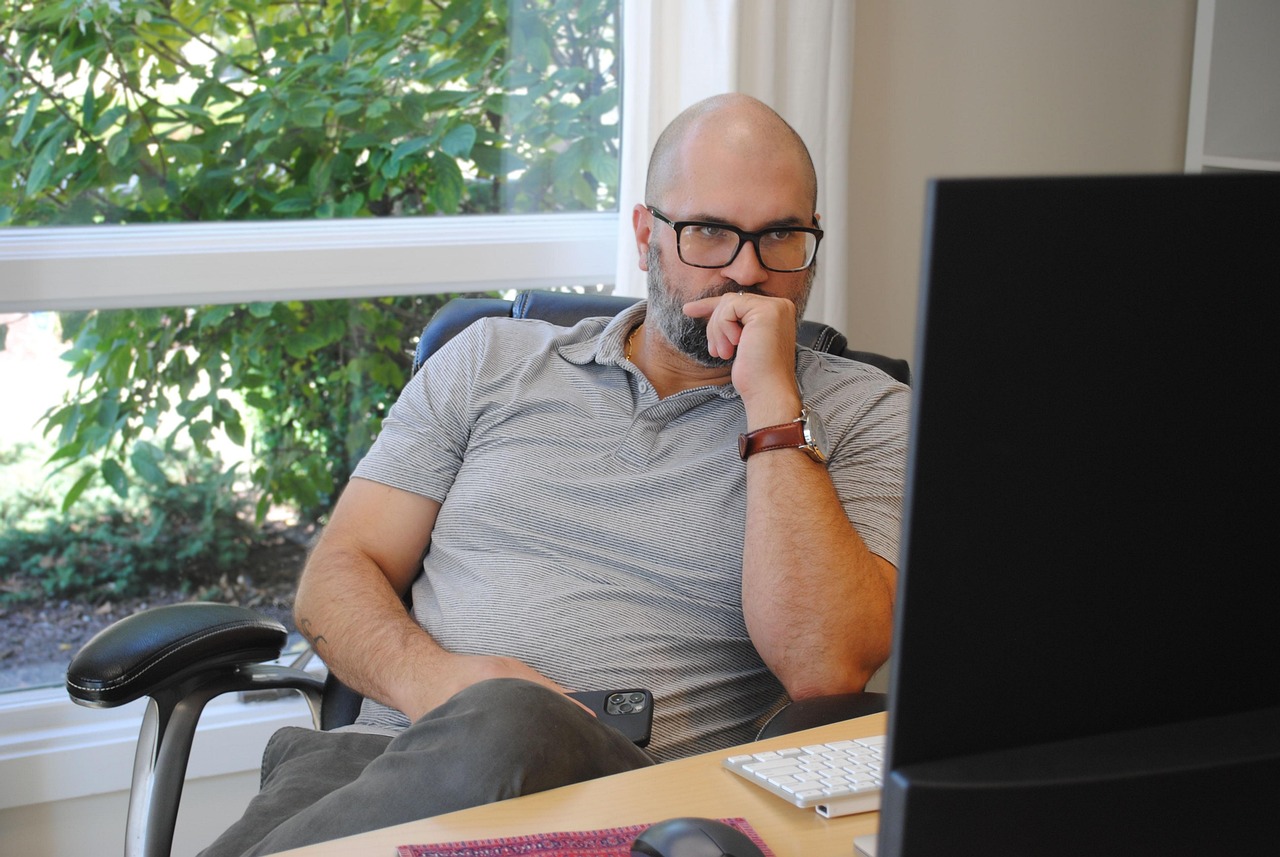
I see this communication problem especially often with trade businesses.
The owner explains a problem, talks through the likely cause, and describes what the customer should consider. Their knowledge comes through in the conversation.
Then that explanation passes through someone who does not understand the work, and the website ends up saying the equivalent of “Buy our AC stuff.”
It is a real-life game of telephone playing out in front of potential customers.
The useful explanation disappears. So does the opportunity to show how the owner thinks and helps people.
My job as a designer is to capture that understanding and make it readable. If I cannot explain the service clearly, I need to ask the owner more questions before writing about it.
Industry jargon needs the same attention. Explain a technical term the first time it appears. Customers should be able to keep reading without opening another tab to figure out what you mean.
Refine for SEO Without Losing the Owner’s Voice
Once the explanation works, I look at where selected keywords and keyphrases fit naturally.
That might mean making a service name more specific or clarifying the area the business serves. The goal is to improve the page while preserving the integrity of the owner’s words.
I would not cram a list of cities into an otherwise normal sentence or repeat a service phrase until it sounds mechanical.
Read the revised copy aloud. If a sentence suddenly sounds awkward, revisit it. The business should still sound like itself after the optimization. If the page looks polished but still does not persuade, compare that to the difference between a pretty website and a website that sells.
Ask People Whether Your Copy Makes Sense
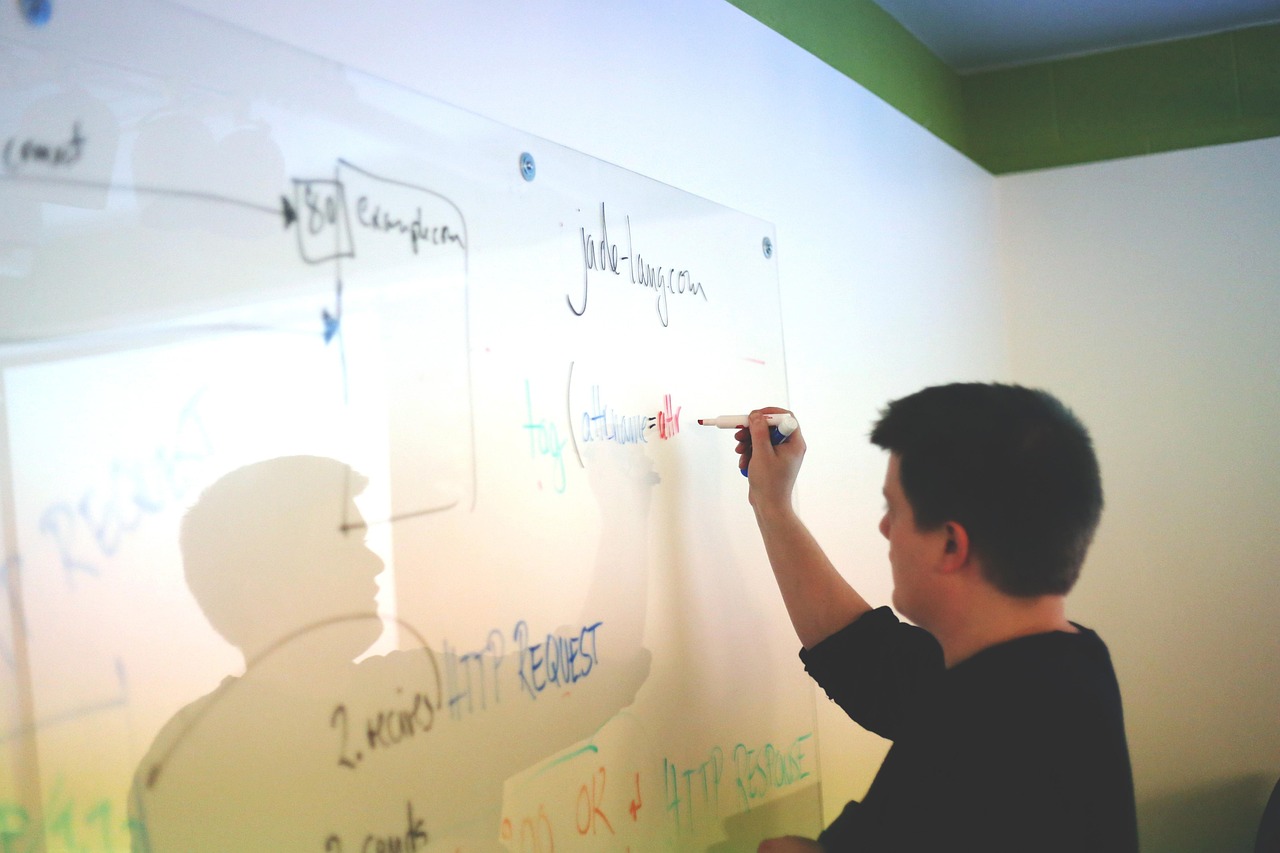
My favorite test is simple: ask a random person to critique your website.
Let them read it without coaching them through what it is supposed to mean. Then ask:
- What does this business do?
- Can you understand what it offers?
- Does the wording feel helpful or too much like a sales pitch?
- What is confusing?
Get feedback from more than one person. One opinion is a reason to investigate, not a reason to tear the whole website apart.
If several people identify the same confusing explanation or pushy wording, you have a useful place to start editing.
At K-Wired.com, I start with understanding the business because that gives every later copy decision a foundation. Your website should carry the knowledge and personality customers hear when they call you. Give people that clear explanation, then make it easy for them to take the next step.