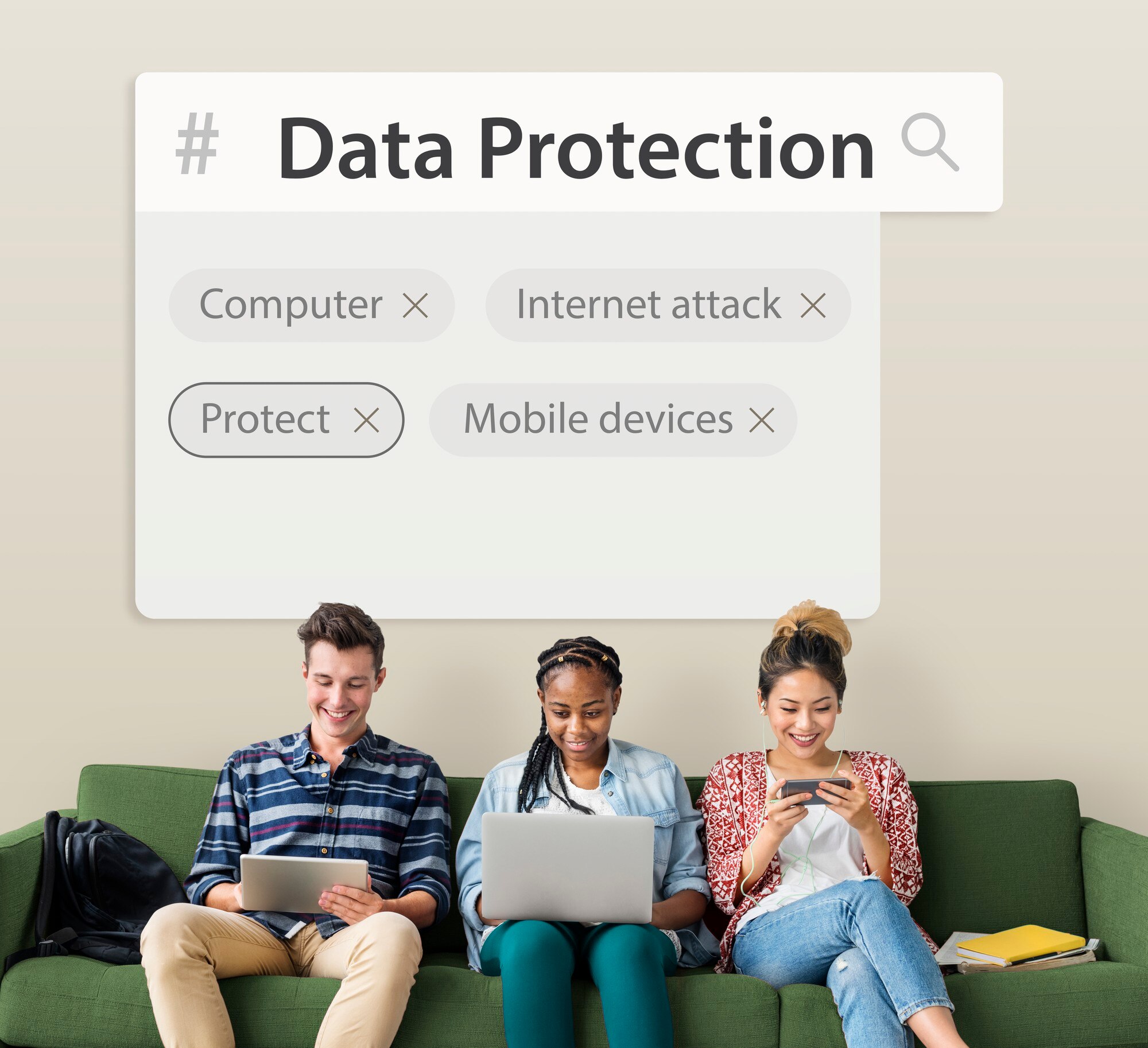
Understanding Data Privacy Laws
Overview of Data Privacy
Data privacy laws are designed to protect personal information from unauthorized access and misuse. As more businesses operate online, safeguarding customer data has become crucial. The Internet, a vast network of interconnected systems, facilitates the exchange of information, making data privacy a top priority. Businesses must ensure they handle personal data responsibly to build trust and comply with legal requirements.
Key Regulations in the U.S.
In the United States, several key regulations govern data privacy. The Federal Trade Commission (FTC) plays a significant role in enforcing privacy laws and protecting consumers. One of the most well-known regulations is the California Consumer Privacy Act (CCPA), which gives California residents more control over their personal information. Other important laws include the Health Insurance Portability and Accountability Act (HIPAA) for health data and the Children's Online Privacy Protection Act (COPPA) for children's data.
These regulations require businesses to be transparent about data collection and provide options for consumers to opt out of data sharing. Understanding these laws is essential for any business dealing with personal information.
Impact on Small Businesses
Data privacy laws can have a significant impact on small businesses. Compliance may seem daunting, but it is crucial for avoiding fines and maintaining customer trust. Small businesses need to evaluate how they collect, store, and use data. This might involve updating privacy policies, implementing new security measures, or even changing how data is processed.
- Review current data collection practices to ensure compliance.
- Implement strong data security measures to protect against breaches.
- Train employees on data privacy to prevent accidental violations.
- Consider consulting with a legal expert on data privacy laws.
For small business owners, it is important to stay informed about changing regulations. Regularly reviewing updates from the FTC and other regulatory bodies can help ensure compliance. For more tips on managing your website and business technology, visit our technology resources.
Staying ahead in data privacy not only helps in legal compliance but also enhances the credibility of your business. Customers are more likely to trust a business that values and protects their data. As a small business owner, investing time and effort in understanding and implementing data privacy measures is a wise decision.
The Importance of Compliance

As data privacy laws continue to evolve, staying compliant is crucial for small-business owners. Understanding the importance of compliance can help you avoid potential pitfalls and secure a strong position in the marketplace. Let's explore why compliance matters for your website.
Legal Consequences
Failing to comply with data privacy laws can lead to serious legal consequences. These may include hefty fines, legal fees, or other penalties that could impact your business financially. For example, the Federal Trade Commission (FTC) enforces various regulations to protect consumer privacy. Staying informed about these laws and implementing necessary changes can save you from costly legal troubles.
Trust and Reputation
Building trust with your customers is essential for long-term success. When visitors know that your website respects their privacy, they are more likely to continue using your services. Compliance with data privacy laws demonstrates your commitment to protecting user information, enhancing your reputation. This trust can lead to increased customer loyalty and positive word-of-mouth recommendations.
Competitive Advantage
Staying ahead of the competition requires more than just a great product or service. Being proactive about data privacy compliance can give your business a competitive edge. As consumers become more aware of privacy issues, they are likely to choose companies that prioritize data protection. By ensuring compliance, you position your business as a leader in customer care and digital responsibility.
Moreover, compliance can open doors to new markets and partnerships. Many companies prefer to work with businesses that adhere to data privacy regulations, as this reduces their own legal risks. By maintaining a compliant website, you increase your chances of forming valuable business relationships.
In conclusion, understanding the importance of compliance with data privacy laws is vital for any small business owner. It not only helps you avoid legal issues but also builds trust with your customers and sets you apart from the competition. For more information on data privacy and related regulations, you can visit the Federal Communications Commission (FCC) website.
Assessing Your Current Website Practices
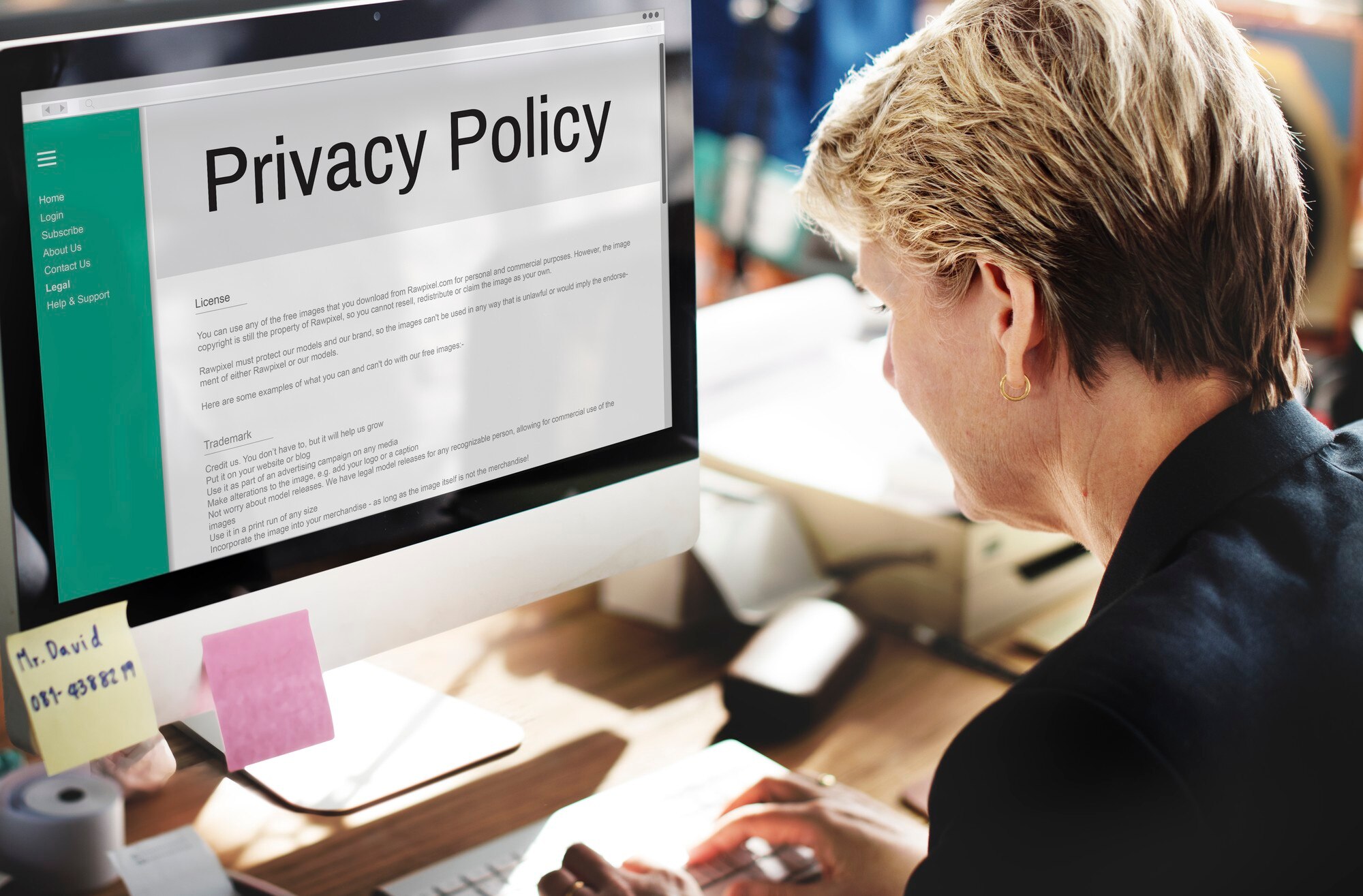
Understanding how your website handles data privacy is crucial in today's digital age. With changes in data privacy laws, small-business owners need to evaluate their current website practices to ensure compliance and protect user information. Here’s how to start:
Data Collection Methods
First, review how your website collects data. This includes both direct methods, like contact forms, and indirect methods, such as cookies or tracking scripts. It’s essential to know what data you are collecting and why. Generally, data collection should be limited to what is necessary for your business operations. For example, if you run an online store, collecting shipping and billing information is necessary, but gathering detailed personal data might not be.
- Identify all data entry points on your website.
- Determine if you are collecting more data than needed.
- Ensure data is stored securely and only accessible to authorized personnel.
For more on data collection practices, you can refer to the FTC's guidelines on privacy and security.
User Consent Mechanisms
Next, examine how your website obtains user consent. With stricter data privacy laws, obtaining clear and explicit user consent is critical. This means informing users about what data is collected and how it will be used, and giving them the option to agree or disagree.
- Implement a cookie consent banner that explains data collection and usage.
- Use clear language in consent forms and avoid technical jargon.
- Provide easy options for users to withdraw consent.
It's also important to document when and how consent was given, as this can be crucial if any legal issues arise.
Privacy Policy Review
Finally, review your privacy policy. It should clearly outline your data practices, including what data is collected, how it is used, who it is shared with, and how it is protected. Regularly updating your privacy policy ensures it reflects your current practices and complies with the latest regulations.
A comprehensive privacy policy should include:
- Types of data collected and purposes for collection.
- Information on data sharing with third parties.
- Details on data security measures.
- Instructions for users on how to access or delete their data.
For more guidance on crafting an effective privacy policy, check out resources from the FCC.
By taking these steps, you can better align your website with data privacy laws and build trust with your users. Regular assessments and updates to your data practices will help protect your business and the personal information of your customers.
Affordable Solutions for Compliance

As data privacy laws evolve, small-business owners must adapt their websites to stay compliant without breaking the bank. Understanding how to achieve compliance affordably is crucial. Let's explore some budget-friendly tools, hosting providers with compliance features, and the choice between DIY and professional help.
Budget-Friendly Tools
Several tools can help ensure your website meets data privacy requirements without high costs. Platforms like Cookiebot offer cookie consent solutions that help manage user data collection. Additionally, free or low-cost privacy policy generators can assist in creating necessary legal documents tailored to your business needs.
Hosting Providers with Compliance Features
Choosing the right hosting provider is essential for data privacy compliance. Look for providers that offer built-in security measures like SSL certificates and GDPR compliance features. These providers often have data centers in compliance with international standards, ensuring your website aligns with privacy laws. Review their privacy policies and customer support to make sure they can assist with compliance issues.
DIY vs. Professional Help
Deciding between a DIY approach and hiring professional help depends on your budget and expertise. For tech-savvy business owners, handling compliance tasks like updating privacy policies and managing cookies might be feasible. However, if you're unsure about the technical details, hiring a professional may save time and prevent costly mistakes.
Professionals can offer tailored advice and ensure every aspect of your site meets legal requirements. They can also keep you updated on changes in data privacy laws, which can be particularly beneficial for small businesses without dedicated IT staff. If you choose to handle compliance yourself, resources from the Federal Trade Commission provide valuable guidance on maintaining lawful practices.
By utilizing these affordable solutions, small-business owners can navigate the complexities of data privacy laws without overspending. Ensuring compliance not only protects your business from potential fines but also builds trust with your customers.
Implementing Practical SEO Strategies

SEO and Data Privacy
As data privacy laws evolve, it's important for small business owners to understand how these changes impact SEO strategies. Data privacy regulations, such as the General Data Protection Regulation (GDPR) and the California Consumer Privacy Act (CCPA), require businesses to handle personal data responsibly. This means your website must clearly communicate how data is collected and used. These rules can affect how you track user behavior and collect analytics, which are vital components of SEO.
To comply with these laws while maintaining effective SEO, ensure your website has an updated privacy policy. Clearly explain how cookies are used and obtain user consent where necessary. For more detailed guidance, the FTC provides resources for businesses to understand privacy obligations.
Optimizing for User Experience
Optimizing for user experience is a critical part of any SEO strategy. A positive user experience not only helps with search engine rankings but also encourages visitors to stay on your site longer. Here are some practical steps to improve user experience:
- Mobile Responsiveness: Ensure your website looks and works well on all devices. With more users accessing the internet via smartphones, a mobile-friendly design is crucial.
- Page Speed: Fast-loading pages keep users engaged and reduce bounce rates. Tools like Google's PageSpeed Insights can help identify areas for improvement.
- Clear Navigation: Easy-to-use menus and clear calls to action make it simple for users to find what they're looking for.
By focusing on these areas, you can create a more enjoyable experience for your visitors while boosting your SEO efforts.
Balancing Privacy and Marketing
Finding the right balance between respecting user privacy and effective marketing is essential. While data is important for personalized marketing strategies, it's crucial to collect and use it responsibly. Here are some tips to help maintain this balance:
- Use Anonymized Data: Where possible, use anonymized data to analyze user behavior. This helps protect user identities while still providing valuable insights.
- Transparent Communication: Be open with users about how their data is used. This builds trust and can improve customer loyalty.
- Consistent Monitoring: Regularly review your data collection practices to ensure they comply with current laws and do not overreach.
By prioritizing privacy while still focusing on effective marketing, you can create a strategy that respects user rights and enhances your business's online presence. For more insights on balancing these aspects, the FCC offers guidelines that can be useful for small business owners.
Technology Choices for Small Businesses
As data privacy laws evolve, small businesses need to make informed technology choices to protect user data and ensure compliance. From selecting the right content management system (CMS) to securing hosting and data encryption, these decisions can significantly impact your website's security and functionality.
Choosing the Right CMS
Choosing the right CMS is crucial for managing your website easily and securely. Popular options like WordPress, Joomla, and Drupal offer various plugins and features to enhance security. When selecting a CMS, consider the level of technical support available, the ease of use, and the security features provided. It's also essential to keep your CMS updated to protect against vulnerabilities. For a deeper understanding of CMS options, you can visit this comparison guide.
Secure Hosting Options
Secure hosting is a fundamental aspect of protecting your website from cyber threats. Look for hosting providers that offer robust security features, such as SSL certificates, firewalls, and regular security updates. Managed hosting services can be a good option for small businesses that lack technical expertise, as they provide automatic updates and security management. Consider using a hosting provider that complies with data privacy regulations to ensure your website is well-protected.
- SSL Certificates: Ensure data exchanged between your website and users is encrypted.
- Firewalls: Protect your website from unauthorized access and attacks.
- Regular Security Updates: Keep your hosting environment secure with the latest patches.
Data Encryption Tools
Data encryption is a critical component of safeguarding sensitive information. Encryption tools convert data into a secure format that can only be read by someone who has the encryption key. This ensures that even if data is intercepted, it cannot be easily accessed or misused. Consider using encryption tools for both data at rest and data in transit to enhance security. For more information on encryption practices, visit the FTC's privacy and security resources.
By making informed choices about your CMS, hosting, and data encryption, you can better protect your website and comply with data privacy laws. These steps will not only safeguard your business but also build trust with your customers.
Staying Updated on Legal Changes
For small-business owners, keeping up with data privacy laws is essential. These laws can change frequently, impacting how you handle customer data on your website. Here are some practical ways to stay informed and ensure your business remains compliant.
Monitoring Regulatory Changes
One of the best ways to stay updated is by regularly checking government websites. The Federal Trade Commission (FTC) and the Federal Communications Commission (FCC) provide valuable information on privacy regulations. By visiting their websites, you can find updates on new laws and guidelines. Consider subscribing to newsletters or alerts from these agencies to receive timely updates directly to your inbox.
Engaging with Industry Groups
Joining industry groups and associations can also be beneficial. These organizations often have resources and forums where members discuss the latest regulatory changes. Participating in these groups allows you to learn from others' experiences and share insights. For example, the U.S. Small Business Administration provides resources and networking opportunities that can help you connect with peers facing similar challenges.
Utilizing Legal Resources
Access to legal resources is another vital tool for staying compliant. Many small-business owners may not have the budget for a full-time legal team, but there are affordable options available. Online legal services can offer consultations and advice tailored to your needs. Additionally, law firms often publish blogs or articles on their websites about changes in data privacy laws. These can be valuable resources for understanding complex legal language in simpler terms.
In summary, staying informed about data privacy laws doesn't have to be overwhelming. By monitoring regulatory websites, engaging with industry groups, and utilizing legal resources, you can ensure your small business remains compliant and protects customer data effectively. For more detailed information, consider exploring resources from the Federal Trade Commission, which regularly updates its guidelines and policies.
Future Trends in Data Privacy
As data privacy laws continue to evolve, it's essential for small business owners to stay informed about future trends. This section will explore emerging technologies, consumer expectations, and global data privacy trends that could impact your website and business.
Emerging Technologies
Emerging technologies like artificial intelligence and blockchain are reshaping how data is managed and protected. These technologies can enhance data security by offering more robust encryption and decentralized data storage solutions. For example, blockchain technology can provide transparent and tamper-proof records, which are ideal for maintaining data integrity. Additionally, AI can be used to detect and respond to potential data breaches more efficiently. Staying updated on these technologies can help your business remain compliant and secure.
Consumer Expectations
Consumers are becoming increasingly aware of their data privacy rights and expect businesses to handle their personal information responsibly. According to the Federal Trade Commission (FTC), businesses must be transparent about how they collect, use, and share data. Small businesses can meet these expectations by implementing clear privacy policies and offering easy-to-use opt-out options for data collection. By prioritizing consumer privacy, businesses can build trust and enhance their reputation.
Global Data Privacy Trends
Data privacy is a global issue, and different countries are implementing their own regulations. The European Union's General Data Protection Regulation (GDPR) has set a high standard for data protection, influencing laws worldwide. In the U.S., states like California have enacted laws like the California Consumer Privacy Act (CCPA) to give consumers more control over their personal data. Understanding these global trends can help your business adapt to new regulations and avoid potential legal issues. For more insights on marketing strategies and compliance, visit our marketing page.
In conclusion, staying informed about emerging technologies, consumer expectations, and global data privacy trends is crucial for managing your website effectively. By prioritizing data privacy, you can ensure compliance, build consumer trust, and position your business for success in a rapidly changing digital landscape.
Sources and further reading
- https://www.ftc.gov/tips-advice/business-center/privacy-and-security
- https://k-wired.com/
- https://www.ftc.gov/
- https://www.cookiebot.com/en/
- https://www.ftc.gov/business-guidance/privacy-security
- https://www.sba.gov/
- https://www.ftc.gov/news-events/media-resources/protecting-consumer-privacy-security
- https://k-wired.com/marketing.html