
Understanding Local SEO
What is Local SEO?
Local SEO is a strategy that helps businesses promote their products and services to local customers at the exact time they’re looking for them online. It involves optimizing your online presence to attract more business from relevant local searches. These searches take place on search engines like Google, and often include location-specific keywords such as "near me" or the name of a particular city or town.
Local SEO tactics include optimizing your website for mobile users, creating a Google My Business profile, and obtaining customer reviews. This form of SEO is different from traditional SEO because it focuses on local search intent, which means that your business information is more likely to appear to users who are in your geographic area.
Importance of Local SEO for Small Businesses
For small businesses, local SEO is crucial because it helps you reach potential customers who are nearby and ready to make a purchase. By optimizing for local searches, you can improve your visibility in search engine results, making it easier for local customers to find your business. This can lead to increased foot traffic, phone calls, and ultimately, sales.
Local SEO is especially important for businesses that rely on local clientele, such as restaurants, shops, and service providers. For example, if you own a bakery in Chicago, optimizing your online presence for local searches can help you appear in the search results when someone nearby searches for "best bakery in Chicago."
Additionally, having a strong local SEO strategy can help you compete with larger businesses that might have more resources but aren't as focused on local customers. This can level the playing field and give small businesses a better chance to attract local customers. For more tips on marketing your small business, check out our marketing guide.
To learn more about how search engines like Google use local SEO to help small businesses, you can visit the Federal Trade Commission's guide on advertising and marketing. This resource provides valuable information on how to ethically and effectively market your business online.
Setting Up Your Google My Business Profile

Google My Business (GMB) is a free tool that helps your business appear in local search results and on Google Maps. Setting up your GMB profile can significantly boost your visibility to potential customers in your area. Here's how you can create and optimize your profile effectively.
Creating Your Profile
To get started, visit the Google My Business website. Click on the "Manage now" button and sign in with your Google account. If you don't have one, you'll need to create it. Once you're logged in, follow these steps:
- Enter your business name and address. Ensure the address is accurate to help customers find you easily.
- Select your business category. Choose the category that best represents your business to attract the right audience.
- Add your contact information, including phone number and website. This makes it easy for customers to reach out to you.
- Verify your business. Google will send you a postcard with a verification code to confirm your location. Follow the instructions to complete the verification process.
Optimizing Your Listing
Once your profile is set up, optimizing it is crucial for better visibility. Here are some tips:
- Upload high-quality photos of your business and products. Visuals can attract more customers and make your listing more appealing.
- Write a compelling business description. Highlight what makes your business unique and what services or products you offer.
- Keep your business hours updated. This ensures customers know when you are open.
- Use keywords relevant to your business in your description to improve search rankings.
Managing Customer Reviews
Customer reviews play a significant role in building trust and credibility. Encourage satisfied customers to leave positive reviews on your GMB profile. Responding to reviews, both positive and negative, shows that you value customer feedback and are committed to excellent service.
Remember, following FTC guidelines on endorsements and testimonials is important to maintain transparency and trust with your customers.
Keyword Research for Local SEO
Identifying Local Keywords
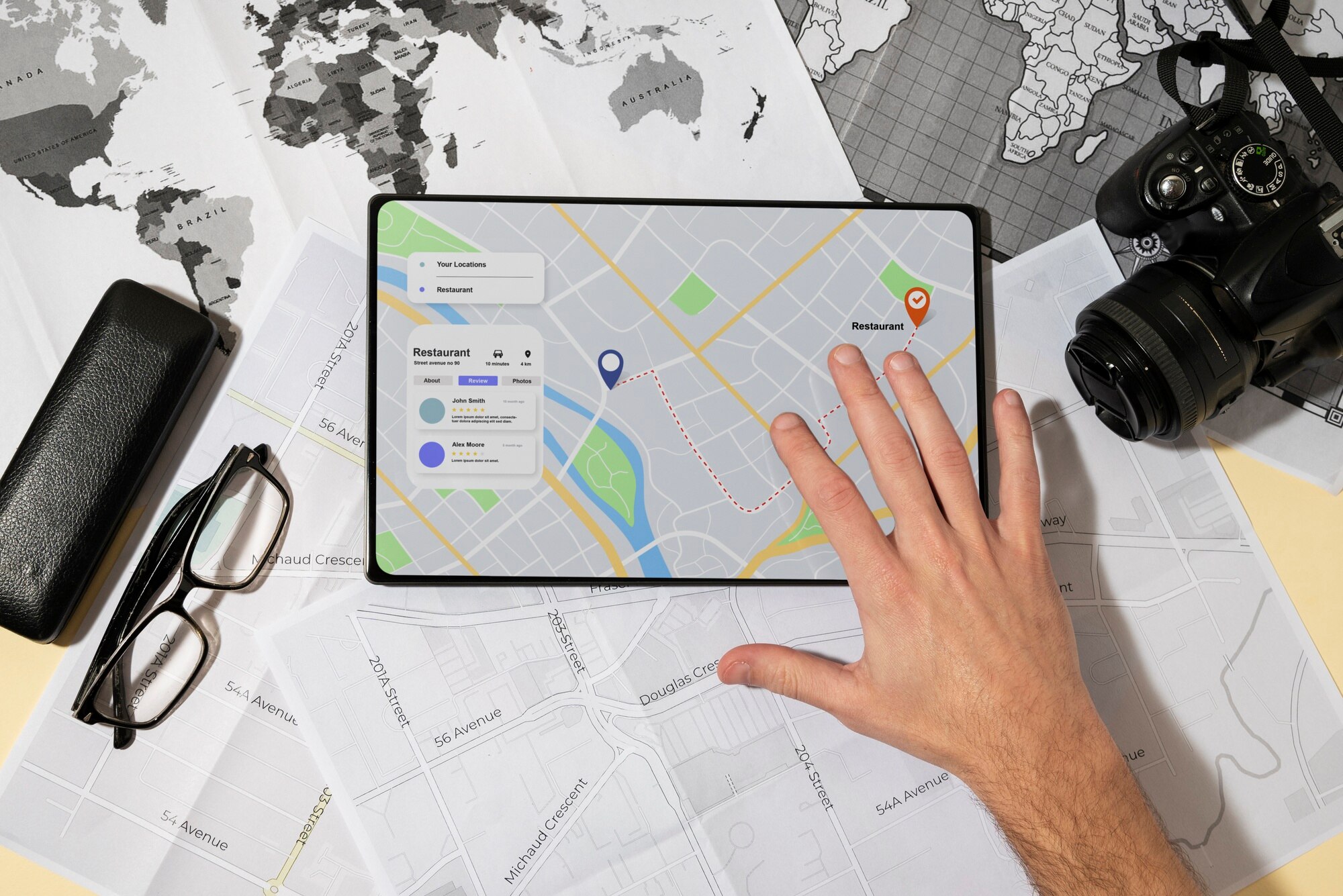
Finding the right local keywords is a crucial step in boosting your business's visibility online. Local keywords are search terms that include specific locations, such as "pizza delivery in Chicago" or "plumber near me." These keywords help potential customers find businesses that are geographically close to them. To identify local keywords, start by thinking about the services or products you offer and the locations you serve. Consider using city names, neighborhoods, or even landmarks in your keywords.
Using Long-Tail Keywords
Long-tail keywords are longer and more specific phrases that customers might use when they are closer to making a purchase. For example, instead of just "shoe store," a long-tail keyword might be "affordable running shoe store in Boston." These keywords often have less competition and can attract highly targeted traffic to your website. By including long-tail keywords in your content, you can better match the search intent of your potential customers and increase your chances of conversion.
Tools for Keyword Research
There are several tools available to help you with keyword research, making it easier to find the right terms for your local SEO strategy. One popular option is Google Keyword Planner, which allows you to explore keyword ideas and see how they might perform. Another useful tool is SEMrush, which offers insights into keyword volume, competition, and trends.
Using these tools, you can analyze which keywords are most relevant to your business and have the potential to drive traffic. Look for keywords with a good balance of search volume and competition, and consider incorporating them into your website content, meta descriptions, and blog posts.
- Google Trends: This tool helps you see how search terms are trending over time, which can be useful for seasonal businesses.
- Answer the Public: This tool generates questions and phrases related to your keywords, giving you ideas for blog posts or FAQs.
By effectively researching and using local and long-tail keywords, you can enhance your local SEO efforts, making it easier for potential customers to find your business online.
On-Page SEO Techniques

Boosting your business's visibility in local search results can significantly impact your customer base. On-page SEO involves optimizing various elements on your website to improve its search engine ranking. Let's explore some effective on-page SEO techniques that can help your business stand out locally.
Optimizing Title Tags and Meta Descriptions
Title tags and meta descriptions are key elements that search engines use to understand your page's content. They also play a crucial role in attracting clicks from searchers. Make sure your title tags include relevant keywords and your business location to target local customers effectively. Similarly, craft compelling meta descriptions that summarize your page content and encourage users to click. For example, a bakery in Chicago might use a title tag like "Fresh Baked Goods in Chicago - [Your Bakery Name]" and a meta description that highlights special offers or popular products.
Using Localized Content
Creating localized content is another powerful on-page SEO strategy. This involves writing blog posts or articles that focus on local events, news, or community activities. By doing so, you can engage with your local audience and improve your website's relevance in local searches. You might write about a local festival your business is participating in or offer tips related to your industry that cater specifically to local needs. For more information on creating effective content, you can visit HubSpot's marketing resources.
Mobile Optimization
With more people using smartphones to search for local businesses, ensuring your website is mobile-friendly is essential. Mobile optimization involves making sure your site loads quickly on mobile devices and that all elements are easily accessible. This can include having a responsive design that adjusts to different screen sizes and optimizing images to reduce load times. Google's mobile-friendly test tool can help you assess how well your site performs on mobile devices.
By implementing these on-page SEO techniques, your business can enhance its visibility in local searches, attracting more customers and ultimately boosting your bottom line.
Building Local Citations and Backlinks

What are Local Citations?
Local citations are mentions of your business on other websites. They typically include your business name, address, and phone number (NAP). These citations help search engines verify your business's existence and relevance in local searches. Consistent and accurate citations can improve your local search rankings.
Finding Local Directories
To list your business accurately, start by identifying local directories relevant to your industry. Popular directories like Yelp or the Better Business Bureau are great choices. Also, consider niche directories that focus on your specific field. Search for local business associations or community websites that offer listing services. Make sure your NAP information is consistent across all platforms.
Strategies for Earning Backlinks
Backlinks are links from other websites that point back to your site. They are crucial for improving your site's authority and search rankings. Here are some strategies to earn them:
- Guest Blogging: Write articles for local blogs or publications. This can increase your visibility and provide valuable backlinks. Ensure the content is relevant and informative.
- Engage with Local Media: Reach out to local newspapers or online news sites to feature your business in their stories. A positive article can generate backlinks and attract new customers.
- Partner with Local Businesses: Collaborate with other local businesses for events or promotions. This can lead to mutual backlinks on each other's websites.
- Join Local Community Boards: Participate in local forums or discussion boards. Include a link to your business in your profile or signature. This can increase your visibility and provide natural backlinks.
By building strong local citations and earning quality backlinks, you can significantly boost your business's visibility online. For more information on how backlinks work, you can visit Moz. Additionally, the FTC's Small Business Center provides useful guidance on promoting your business online safely and effectively.
Leveraging Social Media for Local SEO

Choosing the Right Platforms
When it comes to social media, not all platforms are created equal for local businesses. It's important to choose the ones where your local audience spends their time. Facebook, Instagram, and Twitter are popular choices for many small businesses. Facebook is great for engaging with a wide age range, while Instagram is ideal if your target audience is younger and more visually oriented. If you run a business that caters to professionals, consider using LinkedIn to connect locally.
Engaging with Your Local Audience
Once you've picked the right platforms, engage with your audience by sharing content that resonates with them. This could be updates about your business, local news, or interesting stories related to your industry. Encourage your customers to leave reviews and share their experiences. Responding to comments and messages promptly shows that you value customer interaction and can help build a loyal community around your brand. For more tips on engaging with your audience, you can check out this guide from the FTC.
Promoting Local Events
Social media is a powerful tool for promoting local events. Whether you are hosting an event or participating in one, share it on your social media platforms. Use event features on Facebook or Instagram stories to create buzz. Encourage your followers to attend by offering special deals or discounts. Tagging the location and using local hashtags can also increase the visibility of your posts to nearby users. You can learn more about effective social media strategies from this resource by the FCC.
By leveraging social media effectively, you can not only boost your local SEO but also create a strong connection with your local audience. This will help your business stay top of mind and drive more customers through your doors.
Tracking and Measuring Your Local SEO Success
Keeping track of your local SEO efforts is crucial to ensure your strategies are effective. By monitoring key metrics, using tools like Google Analytics, and adjusting your strategies based on the data you collect, you can boost your business visibility and reach more local customers.
Key Metrics to Monitor
Understanding which metrics to track can help you see what's working and what needs improvement. Here are some essential metrics to keep an eye on:
- Local search rankings: Check where your business appears in search results for local queries.
- Website traffic: Monitor the number of visitors to your site and see how they engage with your content.
- Conversion rates: Track how many visitors take desired actions, like making a purchase or signing up for a newsletter.
- Customer reviews: Reviews on platforms like Google and Yelp can impact your local SEO rankings.
Using Google Analytics
Google Analytics is a powerful tool that provides insights into your website's performance. It can help you understand where your visitors are coming from and how they interact with your site. Setting up Google Analytics is straightforward, and it can be an invaluable resource for tracking your local SEO success. For detailed guidance, you might find the Google Analytics Help Center useful.
Adjusting Your Strategies Based on Data
Once you've gathered data, it's essential to analyze it and make informed decisions. If certain keywords aren't performing well, consider trying new ones. If your website traffic is low, you might need to optimize your site for better user experience or improve your content. Regularly reviewing your data will help you refine your strategies and achieve better results over time.
By focusing on these elements and making data-driven adjustments, you can continually enhance your local SEO efforts. For more tips on improving your online presence, you can explore resources provided by the Federal Trade Commission.
Affordable Tools and Resources for Small Businesses
Running a small business means making smart decisions to stretch your budget while maximizing your online presence. Here are some affordable tools and resources that can help boost your business visibility through effective local SEO strategies.
Website Builders
Creating a professional-looking website doesn't have to break the bank. Website builders offer user-friendly platforms that allow small business owners to design and launch their sites without needing technical expertise. Popular options include platforms like Wix and Squarespace, which provide customizable templates, drag-and-drop features, and integrated SEO tools. These platforms are designed to help you create an attractive site that performs well in search engines.
Hosting Options
Choosing the right hosting service is crucial for your website's performance and reliability. Look for hosting providers that offer affordable plans with features like fast loading times, strong security, and excellent customer support. Some well-known hosting services offer competitive pricing plans for small businesses, making it easier to find a solution that fits your budget. When selecting a host, consider factors such as uptime guarantees and scalability options to ensure your website can grow with your business.
SEO Tools for Beginners
Improving your website's SEO doesn't have to be complicated or expensive. There are several beginner-friendly SEO tools that offer valuable insights into your website's performance and potential areas for improvement. Tools like Google Analytics and Google Search Console are free resources that provide data on website traffic and search performance. They help you understand which keywords are driving traffic to your site and how visitors are interacting with your pages.
Additionally, tools like Moz and Ahrefs offer free versions or trial periods that can help you with keyword research, backlink analysis, and competitor insights. Using these tools, you can refine your SEO strategy to better target local customers and increase your visibility in search results.
For more personalized advice on improving your small business's online presence, feel free to contact us. We offer guidance on affordable website solutions and effective SEO strategies tailored to your business needs.
- Explore user-friendly website builders to create a professional site without coding skills.
- Choose a reliable hosting provider that suits your budget and offers scalability.
- Utilize free or low-cost SEO tools to enhance your local search visibility.
With these affordable tools and resources, you can effectively enhance your small business's online presence and reach more local customers. Prioritizing these strategies will help you compete in the digital marketplace without exceeding your budget.
Sources and further reading
- https://k-wired.com/marketing.html
- https://www.google.com/business/
- https://www.ftc.gov/tips-advice/business-center/advertising-and-marketing
- https://ads.google.com/home/tools/keyword-planner/
- https://www.semrush.com/
- https://www.hubspot.com/marketing
- https://developers.google.com/search/mobile-sites
- https://moz.com/learn/seo/backlinks
- https://www.ftc.gov/tips-advice/business-center/small-businesses
- https://www.ftc.gov/business-guidance
- https://support.google.com/analytics/answer/1008015?hl=en
- https://moz.com/