
Understanding Domain Names
What is a Domain Name?
A domain name is like the address of your business on the internet. It is what people type into their web browsers to find your website. For example, in the URL "www.example.com," "example.com" is the domain name. Think of it as a signpost that guides customers to your digital storefront. Without a domain name, your website would just be a series of numbers called an IP address, which is much harder to remember.
Types of Domain Names
Domain names come in various forms, and understanding these types can help you choose the best one for your business:
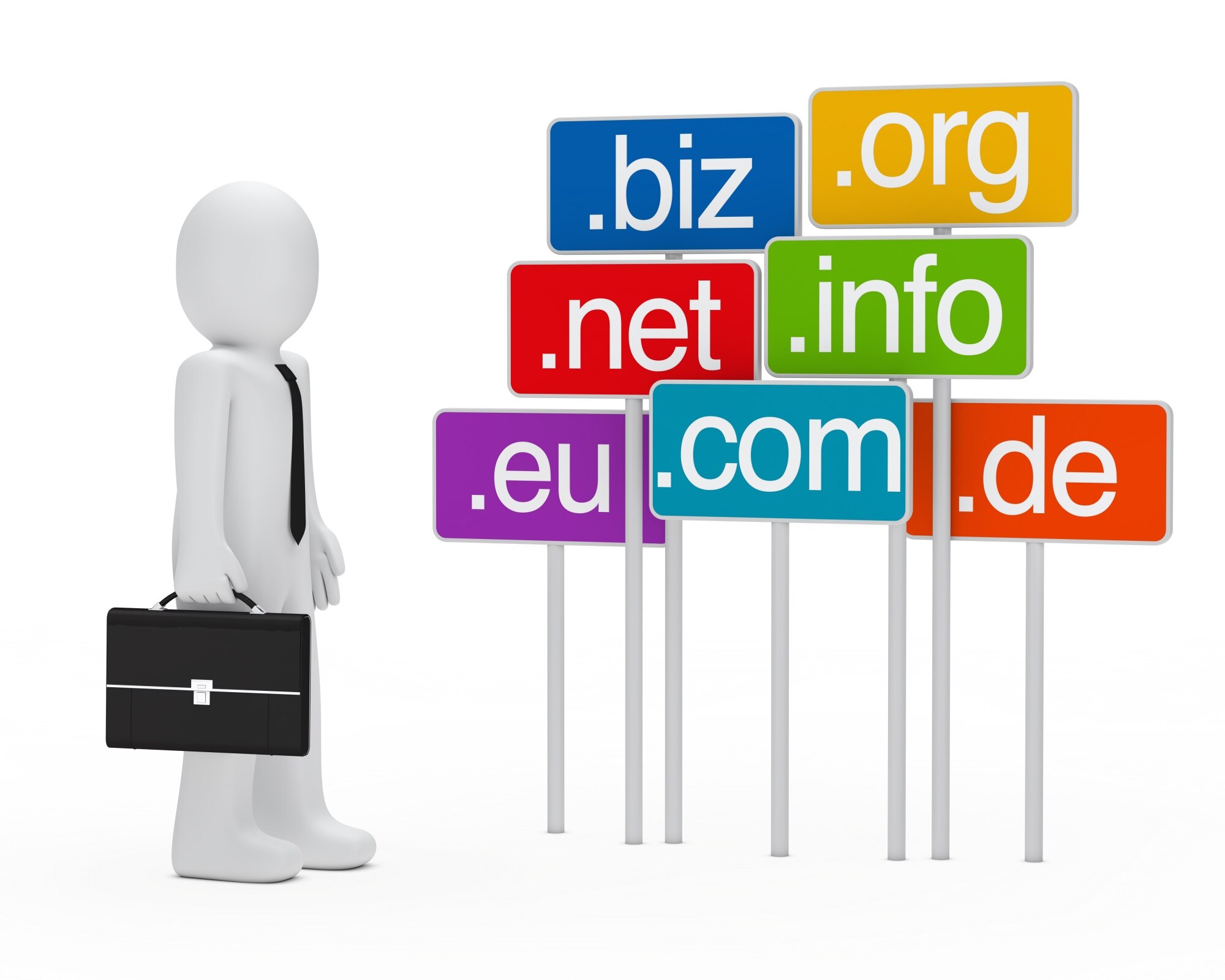
- Top-Level Domains (TLDs): These are the most well-known types, like ".com," ".org," and ".net." They are often considered the most professional and credible by users.
- Country Code Top-Level Domains (ccTLDs): These are specific to countries, such as ".us" for the United States or ".ca" for Canada. They can be useful if your business primarily serves a local or national audience.
- Generic Top-Level Domains (gTLDs): These include newer options like ".shop," ".blog," or ".tech," which can help emphasize what your business is about.
Choosing the right type of domain name is crucial. It can influence how easily people find your business online and how they perceive your brand.
Importance of Domain Names
Your domain name is more than just a web address; it is a critical part of your brand identity. A well-chosen domain name can help establish credibility and professionalism. It can also make it easier for customers to find and remember your website. This is especially important for small businesses looking to compete online.
When selecting a domain name, consider these key points:
- Keep it short and simple. Long or complex names are harder to remember and can lead to typos.
- Make it relevant to your business or industry.
- Check for trademark issues to avoid legal complications.
- Ensure it is easy to spell and pronounce.
For more tips on how to market your small business effectively, check out our marketing page. Additionally, the Federal Communications Commission (FCC) provides resources to help businesses understand domain names and internet technology, ensuring you make informed decisions when setting up your online presence.
Choosing the Right Domain Extension

When selecting a domain name for your business, the domain extension is an essential part to consider. The extension can influence how your website is perceived and can also impact your search engine optimization (SEO) efforts. Here are some key points to help you decide which domain extension is best for your business in 2025.
Popular Domain Extensions
Some of the most common domain extensions include .com, .net, and .org. The .com extension is often the first choice for businesses as it is widely recognized and trusted by users. If .com is unavailable, .net can be a suitable alternative, especially for tech-related businesses. Organizations, especially non-profits, might opt for .org. These extensions are well-established and can help your website gain credibility with visitors.
Country-Specific Extensions
If your business primarily serves a specific country, you might consider a country code top-level domain (ccTLD), such as .us for the United States or .ca for Canada. These extensions can help target a specific geographic market and may enhance local search engine rankings. Keep in mind that using a ccTLD can sometimes give your website a regional identity, which may be beneficial if your business strategy focuses on a local audience.
New gTLDs
The introduction of new generic top-level domains (gTLDs) has opened up many possibilities for businesses. Extensions like .shop, .tech, and .store can help communicate what your business is about right from the domain name. These new gTLDs offer more availability and can make your website stand out. However, it's important to assess whether these extensions will resonate with your audience. For more information on how domain extensions affect SEO, you can visit Search Engine Journal.
Choosing the right domain extension requires careful consideration of your business goals and target audience. Whether you opt for a popular extension, a country-specific one, or a new gTLD, make sure it aligns with your brand and marketing strategy. For further guidance on domain names, the U.S. Federal Trade Commission provides helpful resources for small businesses.
Incorporating Keywords Effectively

SEO Benefits of Keywords
Choosing the right keywords for your domain name can significantly enhance your website's search engine optimization (SEO). Keywords help search engines understand what your website is about, making it easier for potential customers to find you. For instance, if you own a bakery in Chicago, including "bakery" and "Chicago" in your domain name can help your site appear in relevant search results. This increases the chances of attracting local customers who are searching for baked goods in your area. For more insight on how search engines work, you can visit the Search Engine Journal.
Balancing Brand and Keywords
While incorporating keywords is important, it's equally crucial to balance them with your brand identity. Your domain name should reflect who you are as a business while also being easy to remember. A name that's too generic might not stand out, whereas one that's too complex might be hard for customers to recall. Striking the right balance ensures your domain name is both SEO-friendly and memorable, which can help in building a strong online presence.
Avoiding Keyword Stuffing
Keyword stuffing, or overloading your domain name with too many keywords, can do more harm than good. It can make your domain name long and difficult to type, and search engines might view it as spammy. This practice could hurt your SEO efforts instead of helping them. Aim for a concise and clear domain name that naturally includes one or two relevant keywords. For more tips on SEO best practices, the FTC's guidance on advertising and marketing can be a helpful resource.
In summary, effectively incorporating keywords into your domain name is a strategic way to boost your website's visibility. By understanding the SEO benefits, balancing your brand with keywords, and avoiding keyword stuffing, you can create a domain name that supports your business goals and helps attract the right audience.
Making It Memorable
Choosing a memorable domain name is crucial for small businesses looking to establish an online presence. A domain name should be easy for your audience to remember and type. Here are some essential tips to ensure your domain name sticks in the minds of your customers.
Keeping It Short and Simple
Short domain names are easier to remember and less prone to typing errors. Aim for a name that is no more than two or three words long. This makes it quick to type and easy to share in conversations. For example, if your business is a bakery, a domain like "SweetTreats.com" is more memorable than "TheBestBakeryInTown.com". Keeping it concise helps your audience find you quickly without confusion.
Using Catchy Phrases
Catchy phrases can make your domain name stand out. Consider using words or phrases that relate to your business in a fun or interesting way. Rhyming words or alliteration can make the name more engaging. For instance, a pet grooming service might choose a domain like "PawsAndClaws.com". Such phrases are not only memorable but also create a positive association with your brand.
Avoiding Complex Spellings
Complex spellings can lead to errors and make it difficult for customers to find your website. Avoid using unusual words or creative spelling that might confuse your audience. Stick to common words and names that are easy to spell. For example, if your business offers tech reviews, a straightforward domain like "TechReviews.com" is preferable to something like "TekRevuews.com". This ensures that even if your customers hear your domain name verbally, they can easily type it out without mistakes.
By focusing on these key elements, you can create a domain name that is not only memorable but also effective in drawing traffic to your site. For more tips on creating a strong online presence, check out resources from the Federal Trade Commission on business guidance. Additionally, you might explore insights from the Federal Communications Commission to understand the broader digital landscape.
Ensuring Brand Consistency

When choosing a domain name for your small business, maintaining brand consistency is crucial. A consistent brand image helps customers easily recognize and trust your business. Here are some key considerations to ensure your domain name aligns with your brand.
Matching Your Brand Name
Your domain name should closely match your business name. This not only reinforces brand identity but also makes it easier for customers to find you online. If your business name is already taken as a domain, consider slight variations like adding a relevant keyword or using a different domain extension. Just ensure any variation still reflects your brand clearly.
Checking Social Media Availability
Before finalizing your domain name, check its availability across social media platforms. Consistent handles on sites like Facebook, Twitter, and Instagram can enhance your brand's online presence and make it easier for customers to engage with you. Tools like Namecheckr can help you see if your desired name is available across various platforms.
Trademark Considerations
It's important to ensure your chosen domain name doesn't infringe on existing trademarks. Conduct a trademark search using the United States Patent and Trademark Office (USPTO) database to avoid legal issues. This step is crucial to protect your brand and avoid costly disputes.
- Legal Protection: Registering a trademark for your business name can provide legal protection and help secure your brand's identity.
- Unique Identity: A unique domain name that reflects your brand can help you stand out in a crowded market.
- Domain Extensions: Consider alternative domain extensions like .net or .biz if your preferred .com is unavailable, but ensure they still align with your brand.
By ensuring brand consistency in your domain name, you can build a strong and recognizable online presence that resonates with your target audience. Remember to regularly review your brand's online identity to stay aligned with your business goals and market trends.
Evaluating Domain Name Availability
Choosing the right domain name is crucial for establishing your online presence. Before you settle on a name, it's important to ensure that it's available. Here are some key steps for evaluating domain name availability effectively.
Using Domain Name Search Tools
Domain name search tools are essential for checking the availability of your desired domain. These tools allow you to quickly see if a domain is already registered or if it's open for you to claim. Popular registrars often offer free search tools on their websites. Additionally, you can use online services like Namecheap or GoDaddy to search for available domains and view alternative suggestions if your first choice is taken.
Understanding Domain Auctions
If the domain you want is already registered, it might still be available through a domain auction. Domain auctions are platforms where people buy and sell domain names. These auctions can provide opportunities to purchase a domain that is already owned by someone else but is up for sale. Keep in mind that popular domain names can be expensive, so set a budget before participating.
Considering Expired Domains
Another option is to look into expired domains. These are domains that were previously registered but have not been renewed. Expired domains can be a great opportunity to acquire a name that's already established some online presence or search engine ranking. However, it's important to research the history of an expired domain to ensure it doesn't come with any negative baggage, such as being associated with spam or blacklisted by search engines.
By using these strategies, you can find the perfect domain name for your business. Remember to act quickly once you find an available option, as domain names can be snapped up fast in today's competitive internet landscape.
Budgeting for Your Domain Name
Cost Factors to Consider
When choosing a domain name, understanding the cost factors is crucial. The price of a domain can vary based on its extension, like .com, .net, or .biz. While .com domains are often more expensive due to their popularity, they may offer better recognition for your business. Other factors include the registrar you choose and any add-on services, such as privacy protection or email hosting. To get a clearer idea of potential costs, you can visit domain registrar websites like Namecheap for current pricing options.
Renewal Fees
Renewal fees are another important aspect to consider. While the initial registration fee might seem affordable, renewal fees can be higher. It's essential to check the renewal terms before purchasing your domain to avoid unexpected expenses. Some registrars offer multi-year registration at a discounted rate, which can be a cost-effective option for small businesses looking to secure their domain long-term. Always read the terms carefully to understand the renewal process and fees.
Hidden Costs
Be aware of potential hidden costs that might not be obvious at first glance. Some registrars may charge additional fees for services like domain transfer, DNS management, or even changing your contact information. Make sure to thoroughly review the terms and conditions to identify any extra charges. Additionally, consider the cost of maintaining your website, including hosting services. For hosting, you might explore options like HostGator or other reputable providers that offer affordable packages for small businesses.
By understanding these cost factors, renewal fees, and hidden costs, you can budget effectively for your domain name, ensuring it fits within your overall business expenses. Planning ahead will help you avoid surprises and maintain a strong online presence for your business.
Future-Proofing Your Domain Choice
Anticipating Brand Growth
When choosing a domain name, consider how your business might grow. A domain that seems perfect now might not fit if you expand your products or services. Choose a name that is broad enough to accommodate potential growth. For example, if you start a bakery but plan to expand into a full café, a domain like "sweetspotcafe.com" could be more versatile than "joesbakery.com". This foresight ensures your domain remains relevant as your business evolves.
Adapting to Changing Trends
Trends in technology and consumer preferences can shift rapidly. It's essential to think about how these changes might affect your domain name. For example, as voice search becomes more popular, having a simple and easy-to-pronounce domain can be beneficial. Stay informed about changes in technology by following resources like the FCC, which monitors and reports on technological advancements. This awareness can help you keep your domain name relevant and easy to find.
Long-Term SEO Considerations
Your domain name plays a crucial role in search engine optimization (SEO). Search engines look at domain names to understand the content of your website. Opt for a domain that includes keywords related to your business. However, avoid stuffing it with keywords, as this can negatively impact your SEO. Instead, focus on a memorable and descriptive name. For more tips on SEO and website building, check out our sample projects for inspiration.
Also, consider the length of your domain name. Shorter names are easier to remember and type, which can enhance user experience and SEO. Aim for a balance between brevity and descriptiveness, helping both users and search engines understand your business.
By considering these factors, you can choose a domain name that not only fits your business today but also supports its growth and relevance in the future. This forward-thinking approach will help ensure your online presence remains strong and effective for years to come.