
Your website does not need a redesign just because it had another birthday.
When I evaluate a website, I focus on whether it is working for the business. Are customers finding it? Are they clicking through? Are those visits contributing to inquiries, bookings, or sales? Does the website still represent what the company actually does?
If those answers look good, I need a stronger reason to recommend a redesign than “it’s been a few years.”
Some businesses change enough to warrant a new design every year. Others can keep the same overall design for years without needing a complete overhaul. The right timing depends on your industry, your business needs, and your SEO and marketing goals.
Let Your Business Set the Schedule
The strongest reason for a website redesign is a significant change in the business itself.
I have a contracting client whose business attracted the attention of another company doing the same type of work. They decided to join together and form a brand-new LLC combining both businesses.
That warrants a redesign. The website now needs to represent a different company. Updating a phone number or adding a paragraph would not cover the scope of that change.
A major shift in your branding, customers, or business direction can create a similar need. If your company has changed its colors, style, logo, and overall identity, the website should reflect that.
But adding a service does not automatically put you in that category.
If you are still the same company, serving the same customers, and simply offering something additional, you may only need another page. There is no reason to tear apart a working website because your business now does one more thing.
Poor Performance Deserves Investigation

If a website is not performing, a redesign belongs on the table. That does not mean it should be the first thing you order.
I worked with a client whose website was getting essentially no traffic. It was also built on a platform that limited what I could do to help them. Given the numbers and those limitations, I opened up the discussion about building a new site.
In that case, rebuilding helped turn the business around. From my experience working with that client, it helped save a business that was struggling to survive. A small page tweak would not have addressed what we were dealing with.
That is a very different situation from a business owner getting bored with their homepage.
Before recommending a rebuild, I want to understand what is failing, what can be fixed within the existing site, and why a new design would be the appropriate solution.
Look Beyond This Week’s Analytics
I pay attention to how many people see a business online and how many click through. Then I look at what happens next, alongside other measurable business results.
Visibility and clicks are useful signals. They become more meaningful when you connect them to actual customer activity.
However, I would not make a major redesign decision based on one slow week. Monthly and annual patterns tell me much more about whether something is working.
A Seasonal Slowdown Is Not a Design Failure
One of my clients runs a seasonal business. At first glance, the numbers look great during the busy season and then fall sharply afterward.
Without reviewing the annual pattern, I could have mistaken that drop for a website problem and recommended changing the entire layout.
That would have been the wrong answer.
The slowdown followed the business’s season. A different homepage would not change when customers needed the service.
This is why I look at more than website analytics in isolation. Seasonal demand, marketing activity, and the business’s own results help explain what those numbers mean.
A sudden drop deserves investigation right away. It does not automatically deserve a new design.
Keep Your Information Current Between Redesigns
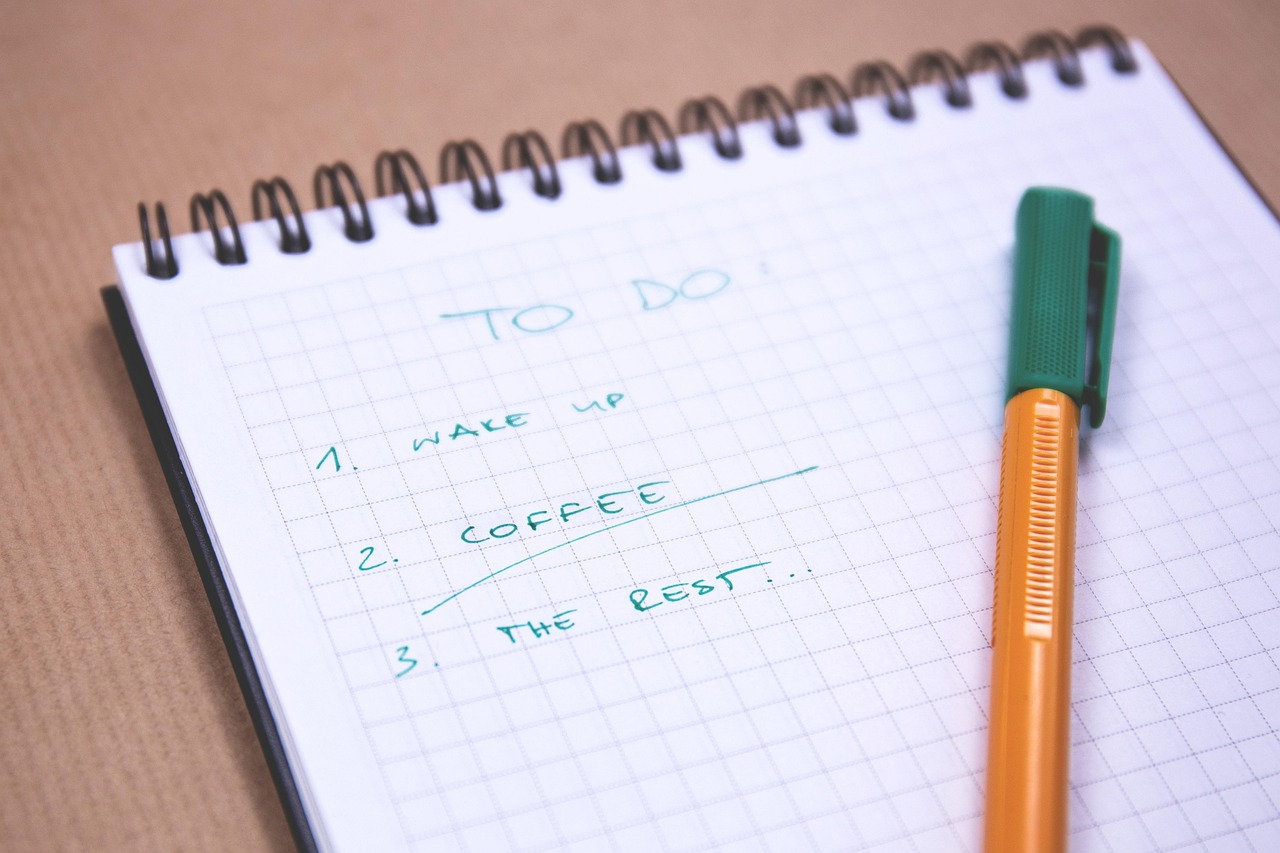
Keeping a design that works does not mean leaving the website unattended.
The regular checks I care about include:
- Making sure contact details, hours, and service information are accurate.
- Reviewing whether your keywords and keyphrases still match your services and industry.
- Looking at visibility, clicks, and customer actions over meaningful periods.
- Comparing website performance with inquiries, bookings, sales, and seasonal patterns.
- Adding or updating pages when the business introduces something customers need to know about.
Those are useful updates with a clear purpose.
Changing fonts, moving sections, and replacing familiar layouts simply because you are tired of seeing them is a different matter. You probably look at your website much more often than your customers do.
If customers are finding what they need and using your business, preserve what is helping them. Constant changes can make a familiar website harder to use and leave returning customers wondering where everything went.
Your website has a job. It does not need a new outfit every time you open it.
Ask a Designer to Explain the Recommendation
If someone tells you that your website is “overdue” for a redesign, ask one question:
“What specifically led you to that conclusion?”
They should be able to explain the problem and show you evidence you can review. That might include analytics, identifiable usability problems, or a clear mismatch between the website and your current business.
I would also ask:
- What problem will this redesign solve?
- Could targeted updates address that problem?
- How will we measure whether the changes helped?
If the recommendation is backed by facts, consider it. If the entire argument is that your website looks old, that is not enough for me.
Change What Needs Changing. Keep What Works.
My approach at K-Wired.com is to start with what the business needs and what the evidence shows.
Sometimes that leads to a complete rebuild. Sometimes it means adding a service page, correcting information, or leaving a successful layout alone.
Change can help a business grow. Too much change can also hurt, especially when it replaces something customers already understand and use.
Before spending money on a redesign, make sure you can explain what needs to improve and why. “Another year went by” is a calendar update—not a business case.
Related reading from K-Wired

Continue with when and why to refresh your online presence; when to redesign versus adding a new page.