
Every business starts without reviews. Somebody has to be the first customer, and that person needs a reason to give you a chance.
When I help a new business plan its website, I start with what made the owner open the business in the first place. Maybe they have years of experience in the industry. Maybe they spotted a problem they know how to solve. Maybe they’re expanding an established brand into a new area.
Those are things we can talk about before the first review ever shows up. The goal is to give customers an honest picture of the business, the person behind it, and what they can expect.
Start With Why You’re Opening
There is usually a reason someone decides to put their time, money, and sanity into starting a business. That reason can give your early website something meaningful to say.
I want to know:
- What experience are you bringing to the business?
- What do you intend to do better or differently?
- Why does this location or community make sense?
- What customer need led you to open?
Be specific. If you think your concept is better than what’s available, explain what makes it better for the customer. Easier scheduling? A more focused service? A product people currently have to drive out of town to find?
Keep the distinction between your experience and the company’s history clear, too. You can have years of industry experience and a brand-new business. Both can be true, and both belong in an honest introduction.
You don’t need to manufacture a long company history to make your experience count.
Treat the First Website Like a Digital Business Card

Before a grand opening, your website may have a pretty simple job: help people you’ve spoken with find you again and understand what you’re building.
Think about what you would put on a business card. Start with your business name, what you do, and your contact information. Give visitors a short explanation of why you’re opening and who you plan to serve.
Then add the opening details you can confidently share:
- Your location or service area.
- Your opening date, if it’s confirmed.
- The products or services you expect to offer at launch.
- A clear way to contact you or express interest.
If the opening date is still being finalized, say that. Don’t put a firm date on the homepage just because the design looks better with one.
I’d rather build a useful, accurate first page than fill an entire website with promises the owner hasn’t worked out yet. My guide to what should be on a business website covers how to decide which information deserves space as the site grows.
Use Photos That Honestly Represent What’s Coming
New businesses often have a photo problem. The space isn’t finished, the products haven’t arrived, or there’s no completed work to show.
You still have options.
Photos of your location can help introduce the business. A recognizable storefront, entrance, or surrounding area gives people something to connect with. Just make sure the website explains whether you’re open yet.
Put your face on the website, too. If you’re out meeting potential customers, let them recognize the person they spoke with when they look you up afterward. A clear, professional photo can make that connection easier.
Images of similar products can also help illustrate the concept, provided you have permission to use them and make their purpose clear. Don’t present a reference image as an actual item customers can buy from you, or someone else’s finished project as your work.
The photos should help set expectations you can meet. As your own products, space, and work become available, replace those introductory images with the real thing.
Give Visitors a Next Step That Fits the Business

The right action before opening depends entirely on what the business can actually offer.
A storefront business that takes appointments might use pre-booking to generate early interest. An online business could invite visitors to join a waiting list. A service business that can already help customers might encourage them to call.
I wouldn’t automatically put “Book Now” on every grand-opening website. What happens after someone clicks matters just as much as the wording on the button.
If you’re collecting waiting-list signups, explain what people will hear about. If you’re accepting bookings, make sure you can honor them. If you want calls, be ready to answer questions about availability.
Choose one main action and make it obvious. A visitor shouldn’t need to figure out your launch strategy before they can contact you.
Look Professional Without Inflating the Business
One of the biggest mistakes is trying to look much bigger than you are.
If you’re a sole proprietor, don’t write the website as though you have hundreds of employees and offices nationwide. Customers will eventually interact with the actual business. That experience should match what you presented online.
But don’t undersell yourself either.
“Just a guy who knows a thing or two” doesn’t give customers much confidence. You can be a one-person business and still communicate clearly, show up on time, and deliver professional work.
Explain what you do, what qualifies you to do it, and how customers will work with you. Skip invented testimonials and unsupported claims about being everyone’s favorite. Your website can look ready for business without pretending the grand opening happened ten years ago.
Plan Now for the Content You’ll Collect After Opening
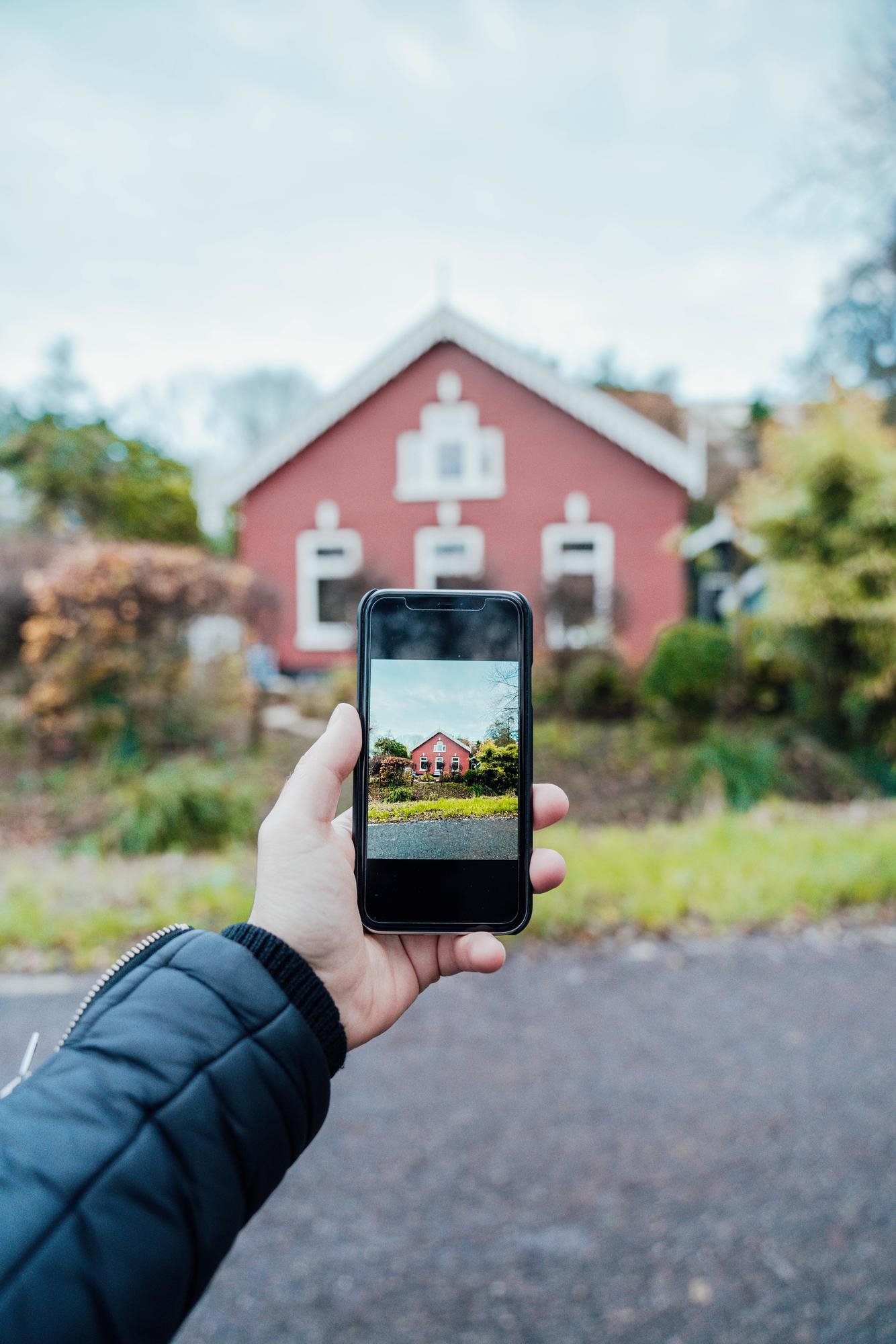
Your first website is a starting point. Once you begin serving customers, you’ll have more to show.
Take plenty of photos of those first jobs, products, and opening-day preparations. Get permission before featuring customers or their property. Ask for honest feedback after people have experienced the business, and use recurring questions to improve the website.
You’ll gradually replace introductory explanations with real examples of what you deliver.
That’s the approach I bring to small-business website design at K-Wired.com: give the business a professional place to be found, with clear information customers can use.
You don’t need reviews to explain why your business deserves a chance. Be honest about where you are, show up prepared, and deliver what you say you will.
Then take the photos. You’ll want them when it’s time to show everyone what you’ve been doing.