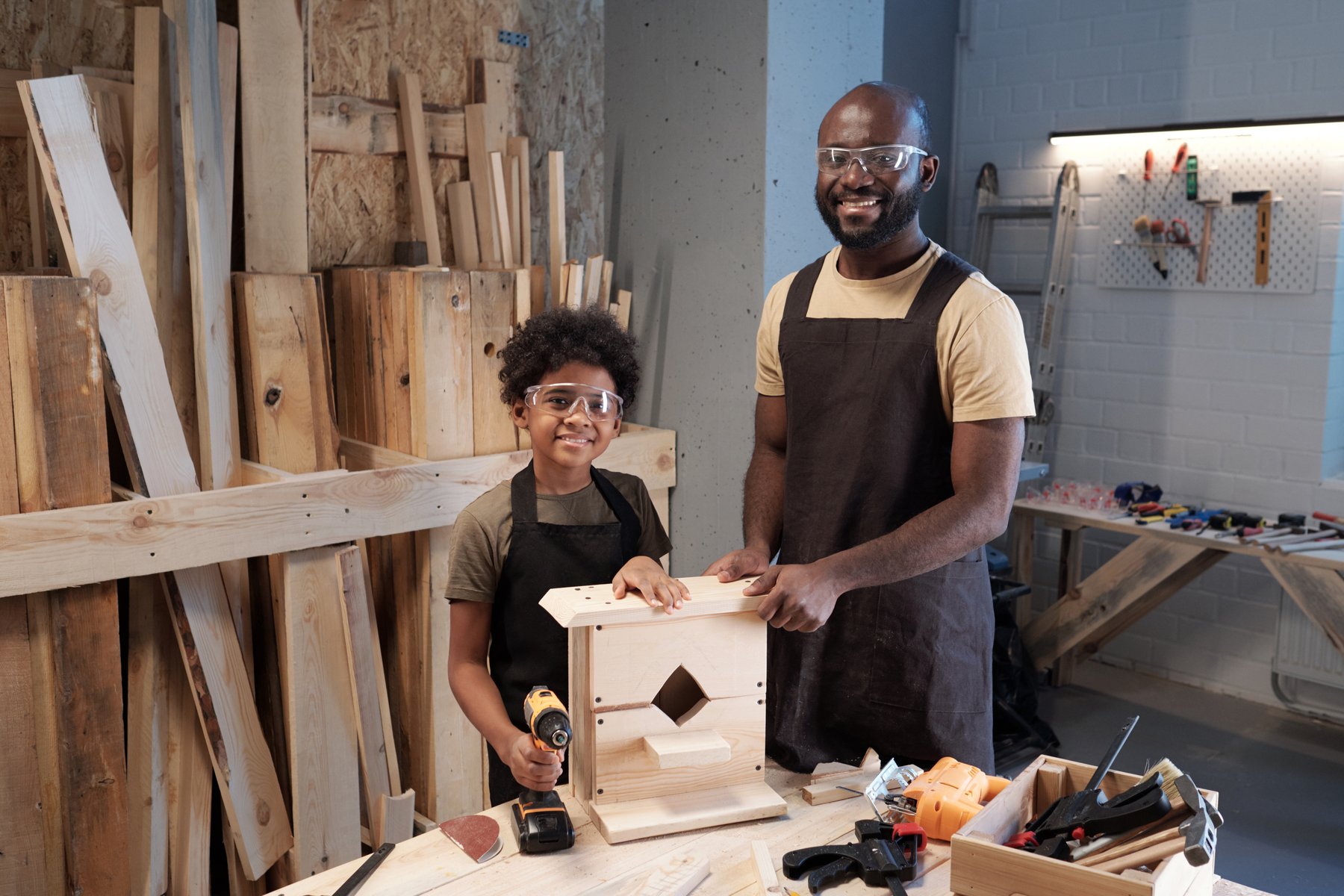
Being a small, family-owned business can be one of your strongest selling points. Put it where people can see it.
With AI becoming part of more everyday interactions, I’m noticing people looking for something personal. I see customers choosing small and local businesses because they want to know who they’re buying from. That won’t describe every customer or every industry, but it creates an opportunity worth taking seriously.
When I build small-business websites at K-Wired.com, I want visitors to understand what makes that particular business worth choosing. For a family-owned company, the people, history, and connection to the area can be a big part of that answer.
You don’t need a national advertising budget to give someone a compelling reason to call you. You do need to make that reason clear.
Show the People Behind the Business
“Family-owned and operated” is a useful statement. Give visitors something that makes it believable and meaningful.
Show the family. Show the employees who help customers. Use pictures of your actual location, products, and completed work. If local customers recognize your storefront or a place where you’ve worked, that can help establish a connection.
A visitor should be able to picture doing business with you.
For a bakery, that might mean photographs of the people decorating cakes and the finished cakes customers ordered. For a contractor, it could mean the owner on a jobsite alongside examples of completed projects.
The photos should tell visitors something about what they can expect. A family portrait introduces the people. Pictures of their work help explain why someone should hire them.
I cover this further in my article about the essential trust signals every small-business website should have. Real people and real work give customers something concrete to evaluate.
Make Your History Count
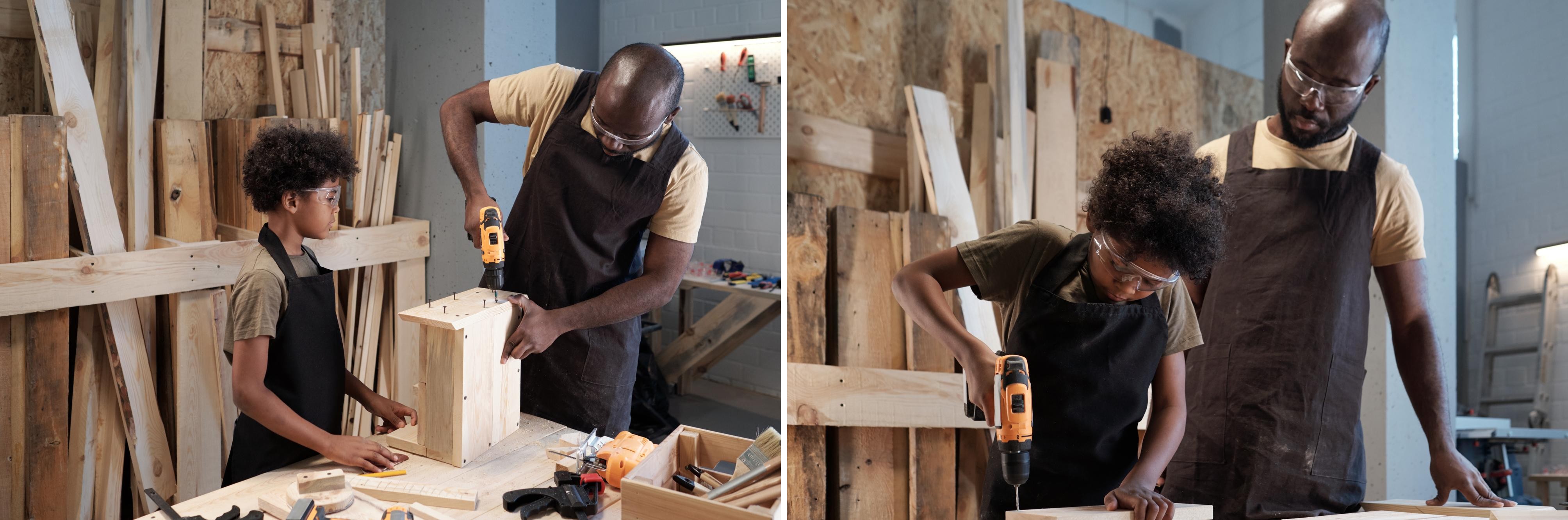
If your family has operated the business for decades, say so.
Depending on the industry, a long history can be a strong reason for someone to feel comfortable choosing you. It suggests continuity and gives visitors a story they can understand: this business has been here, serving people, for years.
Explain that history in useful terms. Who started the company? What did they want to provide? Who runs it today? What has the next generation carried forward?
Keep the details accurate. A business that opened last year should not describe itself as decades old just because its owner has decades of experience. Both facts can be valuable, but they mean different things.
New family businesses have a story worth telling, too. Explain why you opened, what experience you bring, and how you intend to treat customers. You don’t need to manufacture a heritage to give people a reason to trust you.
Compete Where Bigger Brands Leave Customers Frustrated
One of my favorite approaches is to look at what larger competitors struggle to do well.
If customers wait too long for delivery, can your business deliver faster? If a competitor moves quickly but gets orders wrong, can your business provide more careful service? If getting help means navigating an endless phone menu, can customers reach someone at your business who can actually solve the problem?
You have reached department seven. Your original question has retired.
The opportunity depends on the competitor. Some large companies are exceptionally fast. Others provide excellent service. Look for actual weaknesses instead of assuming every big brand has the same problems.
Then connect your advantage to something specific on the website:
- Explain your delivery area and realistic turnaround times.
- Show how you confirm custom order details before work begins.
- Tell customers who handles questions or concerns.
- Describe the personal attention included in your service.
Only promote what your business can consistently deliver. Getting every order right is a worthwhile operating goal. Promising that mistakes can never happen creates a different problem.
Your website should explain the care you take and how you help when something needs attention.
Learn From the Family Appeal of Cake Boss
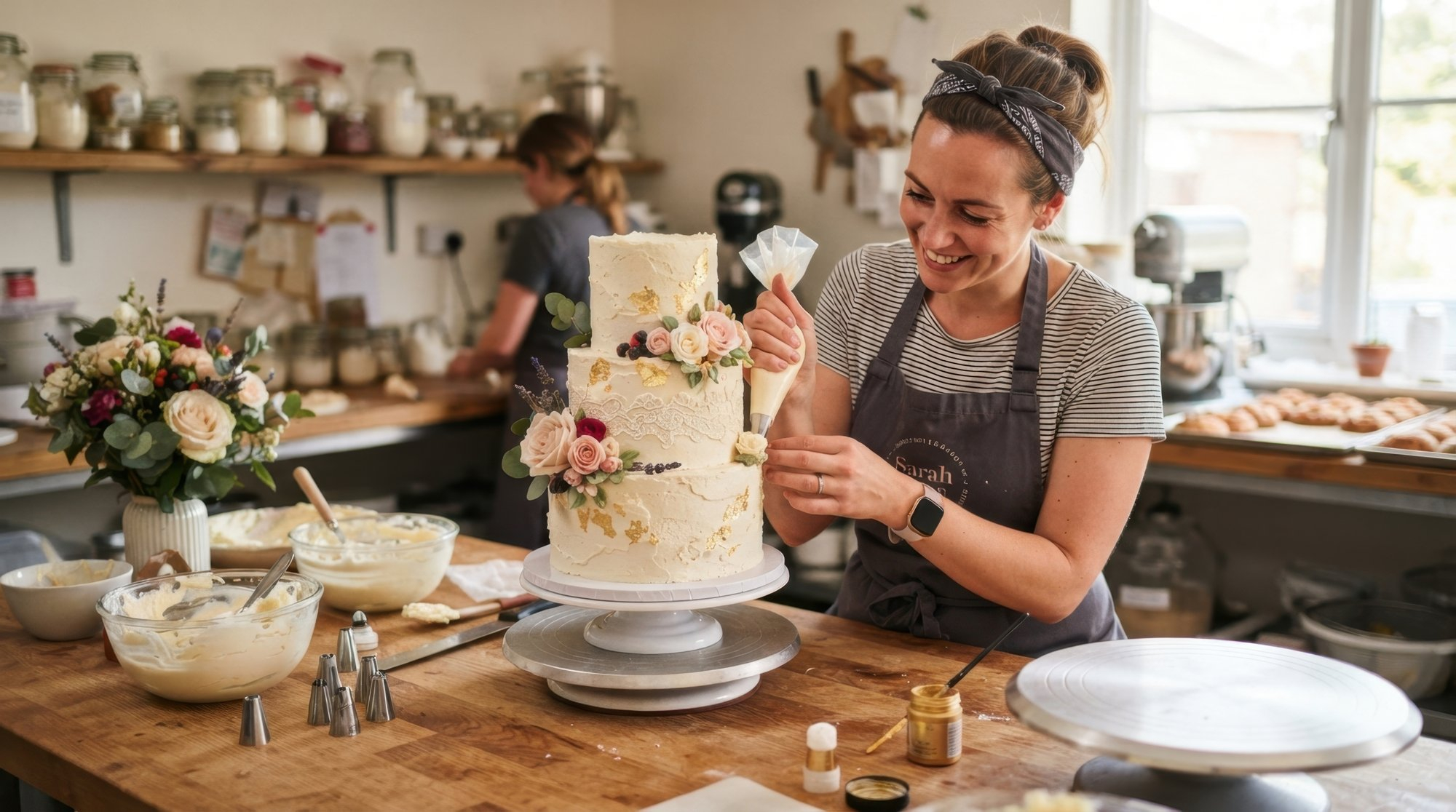
Buddy Valastro and Carlo’s Bakery come to mind when I think about a family business making its identity part of its appeal. His official biography describes the connection between his craft, his father, and the family bakery featured in Cake Boss.
What stands out to me is the combination of family personality and visible skill. The cakes gave people something impressive to look at. The family story gave them people to remember.
Television exposure clearly makes this a different situation from an ordinary local business website. Still, I think there’s a useful lesson: let customers see both the people and the quality of what they create.
A bakery can show the detail in its custom cakes. A woodworking business can show the craftsmanship behind a finished piece. A family restaurant can introduce the people preparing the food.
Give the work room to sell itself, with the family story supporting it.
Trust a Professional to Bring the Story Online
One mistake I see is an owner assuming that because they built the business, they automatically know how to present it effectively online.
Knowing your business is essential. Organizing that knowledge for a first-time visitor takes a different set of skills.
A good website designer should listen carefully and preserve the history, personality, and local feel. They should also help decide what belongs near the top, which photographs support the message, and how customers move from interest to contacting you.
Professional design should make the business easier to understand while keeping its character intact.
Give Customers a Clear Reason to Choose Your Family

Your website has a practical job: show what you do, establish confidence, and make the next step easy.
Lead with your service and location. Show real work. Introduce the people responsible for it. Explain the advantage customers receive when they choose you, whether that’s careful craftsmanship, faster delivery, or personal service.
Then give them one clear main action to take.
Being family-owned can get someone interested. Showing what that means for the customer gives them a reason to pick up the phone.